+91 7042404014
JAPAN COUNTRY FACTFILE
Japan is an island nation located in East Asia, consisting of four main islands (Honshu, Hokkaido, Kyushu, and Shikoku) and numerous smaller islands. With a population of over 126 million people, Japan is the world’s 11th most populous country. The country has a rich history and culture, blending ancient traditions with modern technology and innovation. Japan is renowned for its cuisine, fashion, art, and architecture, and has long been a popular destination for tourists from all over the world.
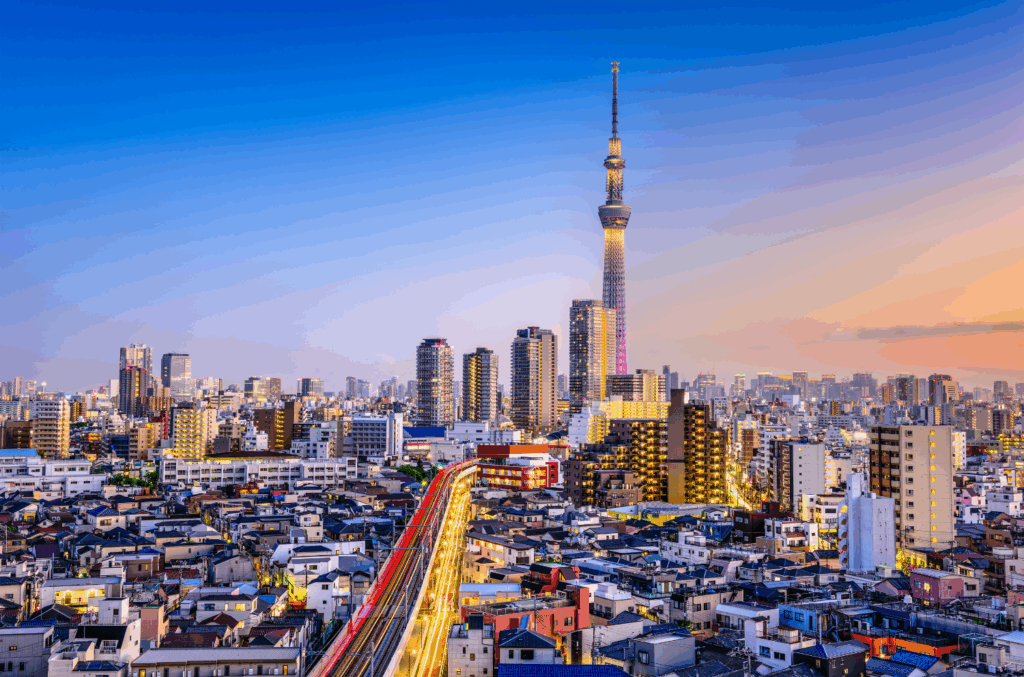
Japan is a constitutional monarchy, with the Emperor serving as a ceremonial figurehead and the government led by a Prime Minister. The country is divided into 47 prefectures, each with its own local government. Tokyo is the capital city of Japan and the center of its political, cultural, and economic activities.
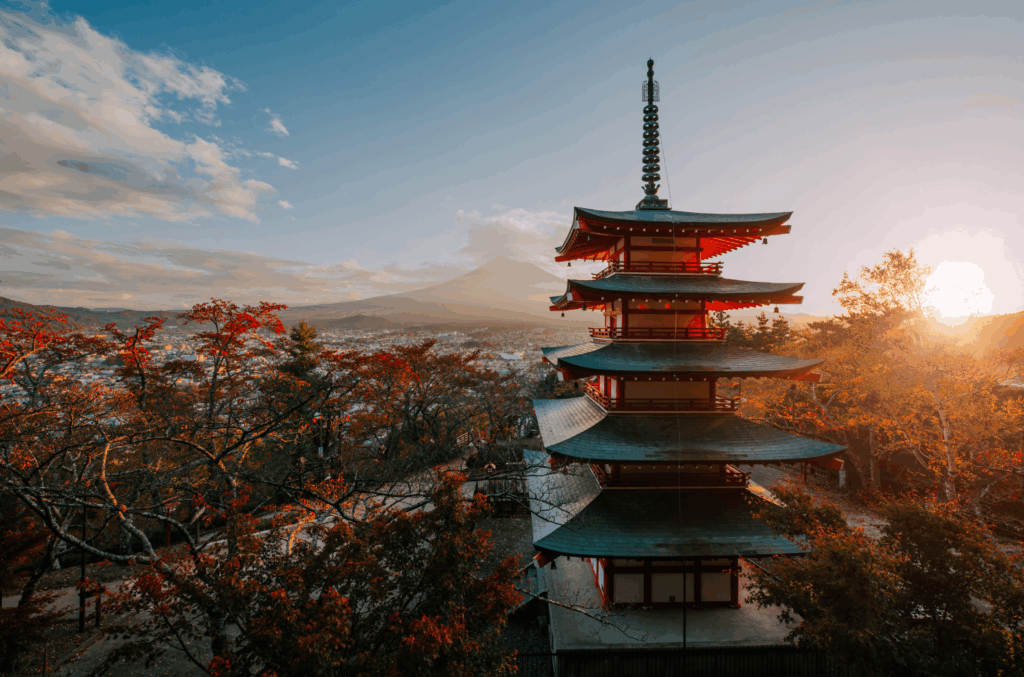
Japan is known for its four distinct seasons, with warm summers, cool autumns, cold winters, and mild springs. The best time to visit Japan depends on what you are looking for, as each season has its own unique charm. The cherry blossom season in spring is a popular time to visit, as the country is blanketed in pink and white flowers. In the summer, visitors can enjoy outdoor festivals and activities, while the autumn leaves are a breathtaking sight. Winter brings with it the chance to ski and snowboard in some of the country’s world-famous resorts.
Japan has an extensive transportation network, including high-speed trains, local trains, buses, and subways, making it easy to travel around the country. The country’s food is diverse and delicious, with sushi, ramen, udon, and tempura being some of the most well-known dishes. The nightlife in Japan is vibrant, with plenty of bars, clubs, and restaurants open late into the night. Visitors can also enjoy the country’s many hot springs, known as onsen, which are popular for their relaxing and therapeutic qualities.
Japan has a high standard of healthcare and a low crime rate, making it a safe destination for tourists. The country’s official language is Japanese, and the major religion is Shintoism and Buddhism. Japanese culture places a strong emphasis on respect and etiquette, with customs and traditions that visitors should be aware of.
DETAILED WEATHER AND BEST TIME TO VISIT
Japan has a varied climate with four distinct seasons. The best time to visit depends on your preferences, as each season has its own charm. Spring (March to May) is famous for cherry blossoms and pleasant weather, making it a popular time for tourists. Summer (June to August) is hot and humid but is a great time for outdoor activities, such as hiking and festivals. Autumn (September to November) is known for its colorful foliage and mild temperatures. Winter (December to February) is cold and snowy in many regions, but it’s the perfect time for skiing and winter sports. Overall, the best time to visit Japan is from late March to early May or from September to November, when the weather is mild and comfortable.
HOW TO REACH THE COUNTRY
Japan is a highly developed and well-connected country, so there are many ways to reach it. The most common ways to get to Japan are by plane, train, or ferry.
By plane: Japan has several international airports, including Narita Airport and Haneda Airport in Tokyo, Kansai Airport in Osaka, and Chubu Airport in Nagoya. These airports receive flights from all over the world, with many major airlines offering direct flights to Japan.
By train: Japan has an extensive and efficient train network that connects all major cities and many smaller towns. The famous Shinkansen (bullet train) runs between Tokyo and other major cities, such as Kyoto, Osaka, and Hiroshima, with speeds reaching up to 300 km/h.
By ferry: Japan is an island nation, so ferries are a common mode of transportation between different islands. There are several ferry routes that connect Japan with neighboring countries, such as China, South Korea, and Russia.
Once in Japan, getting around is easy thanks to the country’s excellent transportation infrastructure, which includes trains, buses, subways, and taxis.
LOCAL TRANSPORTATION IN DETAIL
Japan has an efficient and extensive transportation system, making it easy for tourists to get around. Here are the different modes of transportation available in Japan:
In addition to these, there are also ferries, cable cars, and ropeways that can be used to get around in certain areas.
Japan’s public transportation system is punctual, clean, and safe. However, it can be crowded during rush hours, especially in big cities like Tokyo. It’s important to note that eating and drinking on trains is generally frowned upon, and smoking is prohibited on all forms of public transportation.
FOOD, DRINKS, AND NIGHT LIFE IN DETAIL
Japan is a country renowned for its unique cuisine, drinks, and nightlife. Japanese cuisine is diverse, with regional specialties and fresh ingredients. Sushi, tempura, ramen, udon, soba, and yakitori are some of the popular dishes in Japan. Japanese food is not just about taste but also about presentation, and the cuisine is known for its artistic plating and use of natural ingredients.
When it comes to drinks, Japan is famous for its sake, a traditional Japanese alcoholic beverage made from fermented rice. Other popular alcoholic beverages in Japan include shochu, a distilled beverage, and beer, which is widely consumed throughout the country. Non-alcoholic beverages like green tea and matcha are also popular in Japan.
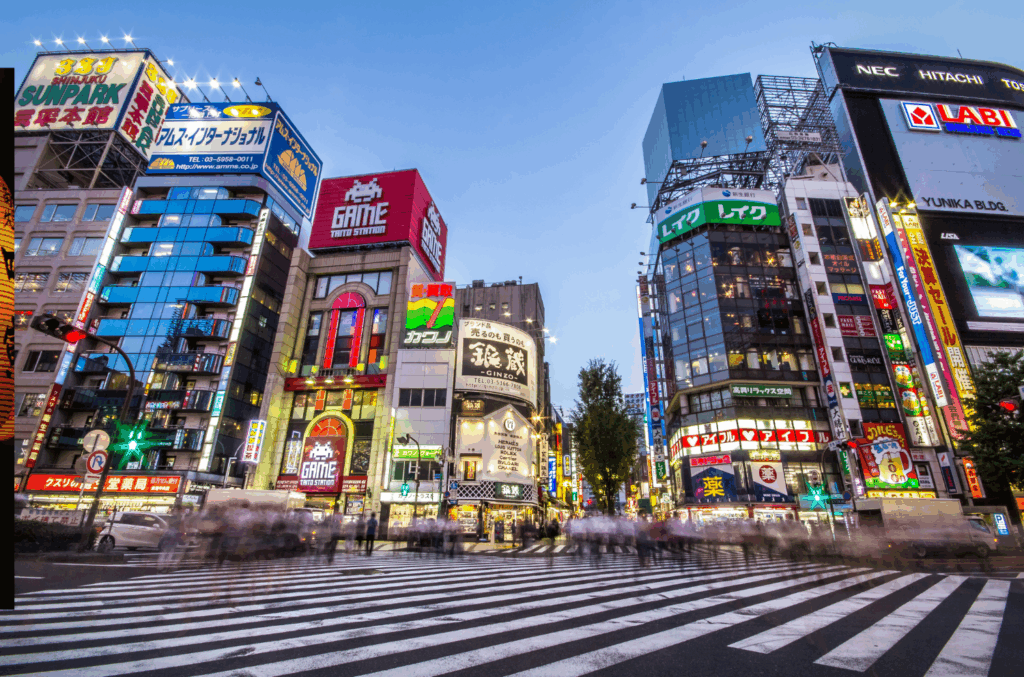
Japanese nightlife is vibrant and varied, with something for everyone. From small bars and karaoke clubs to high-end nightclubs, Japan has it all. Tokyo is famous for its nightlife, with areas like Shibuya, Roppongi, and Shinjuku offering a range of entertainment options. Other major cities like Osaka and Kyoto also have their own nightlife scenes.
It is worth noting that smoking is still prevalent in many Japanese bars and restaurants, so visitors should be prepared for this if they are sensitive to cigarette smoke. Additionally, some bars and clubs have dress codes, so it is best to check beforehand to avoid any issues.
VISA RULES IN DETAIL
Japan has a visa policy that allows citizens of many countries to enter the country for tourism or business purposes without obtaining a visa beforehand. However, there are some countries whose citizens are required to obtain a visa prior to their arrival in Japan.
Visa exemption applies to citizens of around 68 countries, including the United States, Canada, Australia, and many European countries, who can stay in Japan for up to 90 days without a visa. Citizens of some countries, such as South Korea and Taiwan, are allowed to stay in Japan for up to 180 days without a visa.
For citizens of countries that do not have visa exemption agreements with Japan, a visa is required before entering the country. The type of visa needed depends on the purpose of the visit, such as tourism, business, or study. It is recommended to apply for a visa at a Japanese embassy or consulate in the traveler’s home country.
Visa applications require a passport with at least six months of validity remaining, a recent photograph, and a completed application form. Other requirements may apply depending on the type of visa being applied for.
It is important to note that immigration rules and visa requirements are subject to change, so it is recommended to check with the Japanese embassy or consulate in the traveler’s home country for the latest information.
SAFETY FOR TOURISTS IN DETAIL
Japan is generally considered a safe country for tourists. The crime rate is relatively low, and violent crimes are rare. However, as with any country, tourists should exercise caution and take basic safety precautions to avoid any unpleasant situations.
One of the main safety concerns for tourists in Japan is natural disasters. Japan is located in a region prone to earthquakes, typhoons, and tsunamis. Visitors should be aware of the weather conditions and check the news for any updates on natural disasters.
Another safety concern is traffic. In Japan, traffic drives on the left side of the road, which can be confusing for visitors from countries where traffic drives on the right. Pedestrians should also be careful when crossing the road, as drivers may not always stop at crosswalks.
Tourists should also be mindful of their belongings, especially in crowded areas like train stations, tourist sites, and shopping districts. Pickpocketing and theft can occur, so it is best to keep valuables like wallets and passports in a secure place.
In general, tourists in Japan should not encounter any safety issues as long as they remain aware of their surroundings and take basic safety precautions.
DO’S AND DON’TS FOR VISITORS
Do’s:
Don’ts:
It’s important to keep in mind that Japanese culture places a high value on politeness and respect, so it’s important to be mindful of local customs and etiquette when visiting the country.
MAIN PLACES TO VISIT: CITIES, TOWNS, VILLAGES
Japan is a country with a rich and diverse culture, known for its blend of ancient traditions and modern technology. From bustling cities to serene countryside, Japan offers visitors a variety of experiences. Here are some of the main places to visit:
These are just a few of the many destinations that Japan has to offer, and visitors can easily spend weeks or even months exploring all that the country has to offer.
CURRENCY EXCHANGE AND CUSTOMS ALLOWANCE
Currency Exchange: The official currency of Japan is the Japanese yen (¥), and it is widely available at currency exchange offices, banks, and airports. It is advisable to exchange money at banks or post offices, as they offer better exchange rates than hotels or exchange offices.
Customs Allowance: Visitors to Japan are allowed to bring in up to ¥1,000,000 in cash or its equivalent in other currencies without having to declare it to customs. Anything over that amount must be declared to the customs officials upon arrival.
In addition, there are restrictions on bringing certain items into Japan, such as weapons, drugs, and counterfeit goods. Visitors should consult the Japanese embassy or consulate in their home country for a full list of restricted items before traveling.
AMENITIES: WATER, ELECTRICITY, INTERNET, TELEPHONE
Sure, here’s some information on amenities in Japan:
Water: Tap water in Japan is generally safe to drink, but some people prefer to drink bottled water for taste or convenience. In public places, there are usually water fountains where you can refill your bottle. In restaurants, it’s common to serve water for free.
Electricity: The standard voltage in Japan is 100V, and the frequency is 50/60Hz. The plugs are typically two flat pins or two flat pins with a round grounding pin. If your electrical appliances have a different plug, you may need to bring an adapter.
Internet: Japan has a highly developed internet infrastructure, and free Wi-Fi is widely available in public places such as cafes, airports, and train stations. Many hotels and hostels also offer free Wi-Fi for guests. However, it’s always a good idea to have a backup plan, such as a local SIM card or a portable Wi-Fi router.
Telephone: The international dialing code for Japan is +81. If you need to make a local call, you can use public payphones, which are found in many places around the country. You can also buy a prepaid calling card, which is available at convenience stores and other retail outlets. Mobile phone coverage is generally excellent in Japan, but you may need to check if your phone is compatible with the local network or buy a local SIM card.
GENERAL INFORMATION: TIME ZONE, LANGUAGE, RELIGION, HEALTH, CLOTHING, BUSINESS HOURS, BANKS, ETC
Time Zone: Japan Standard Time (JST) is 9 hours ahead of Coordinated Universal Time (UTC+9)
Language: Japanese is the official language of Japan. English is also widely spoken, especially in tourist areas.
Religion: Shinto and Buddhism are the two main religions in Japan.
Health: Japan has a high standard of healthcare and medical facilities are generally modern and well-equipped. Visitors are advised to take out travel insurance that includes medical coverage.
Clothing: The dress code in Japan is generally conservative, with modest and neat clothing preferred. In formal situations, a suit and tie are appropriate for men, while women are expected to wear dresses or business suits. Casual wear is acceptable in most places, but revealing clothing should be avoided.
Business Hours: Business hours in Japan are typically from 9:00 am to 5:00 pm, Monday to Friday. Many shops and restaurants are open on weekends and public holidays.
Banks: Banks in Japan are generally open from 9:00 am to 3:00 pm, Monday to Friday. Some banks may be open on weekends or have extended hours at certain branches. ATMs are widely available, but it is important to note that not all ATMs accept foreign credit and debit cards.
Electricity: The standard voltage in Japan is 100 volts, and the frequency is 50 Hz in eastern Japan and 60 Hz in western Japan. Type A and B plugs (two flat prongs or two flat prongs and a round grounding prong) are used in Japan.
Internet and Telephone: Japan has a highly developed telecommunications infrastructure, and internet access is widely available. Many hotels, cafes, and restaurants offer free Wi-Fi. The country code for Japan is +81, and international roaming is available for most mobile phone networks. Public telephones are also widely available, and many accept prepaid phone cards that can be purchased at convenience stores and other retailers.

BF-036, Baani City Center, Sector 63, Gurugram 122011, Haryana, India

The Holiday Platform
Copyright © 2025 Tripginny, All rights reserved. Powered by URAHL Venture