+91 7042404014
LAOS COUNTRY FACTFILE
Laos is a small and landlocked country located in Southeast Asia, bordered by Thailand to the west, Vietnam to the east, China to the north, Cambodia to the south, and Myanmar to the northwest. Despite its small size, Laos is a country rich in natural beauty, culture, and history. The country has a population of around 7 million people and is known for its relaxed pace of life and friendly people.
Laos is a former French colony and gained independence in 1953. Since then, the country has undergone significant development and modernization, while still maintaining much of its traditional culture and way of life. The official language of Laos is Lao, which is closely related to Thai, but many people also speak French and English, particularly in tourist areas.
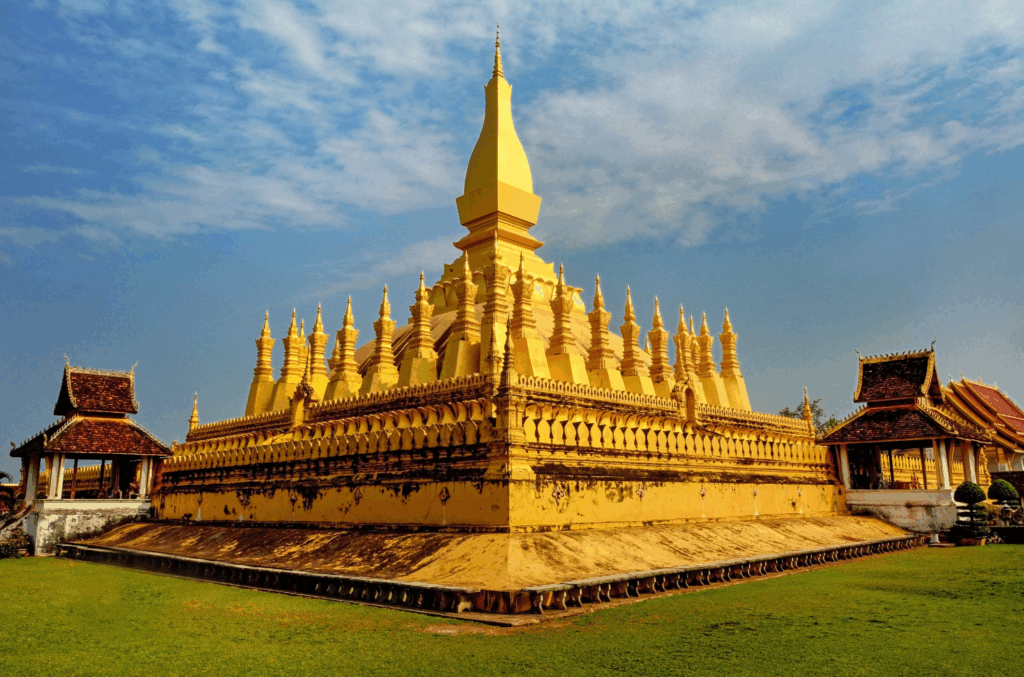
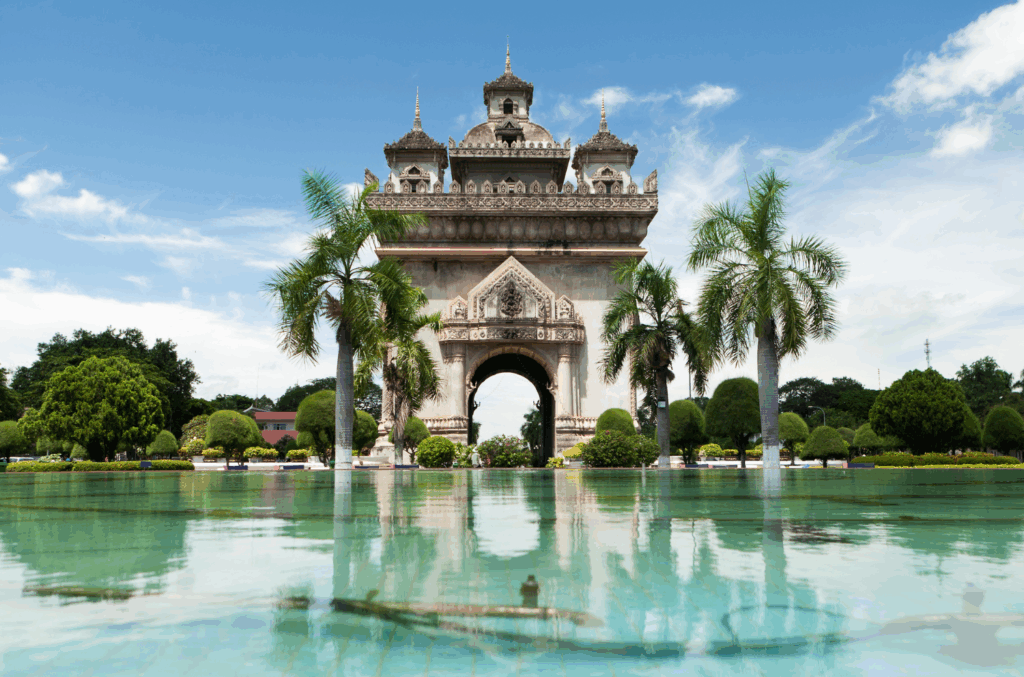
One of the biggest draws to Laos is its stunning natural beauty. The country is home to lush jungles, misty mountains, and the mighty Mekong River, which flows through much of the country. Visitors can explore ancient temples, traditional villages, and bustling markets, or simply relax and soak up the laid-back atmosphere.
Despite being a relatively poor country, Laos has a rich cultural heritage and is home to many unique traditions and festivals. The country is predominantly Buddhist, and visitors will see many ornate temples and statues throughout the country. One of the most famous events in Laos is the annual water festival, or Boun Ok Phansa, which takes place in October and celebrates the end of the Buddhist Lent period.
Overall, Laos is a fascinating and rewarding destination for travelers looking to experience a different side of Southeast Asia. With its rich culture, stunning natural scenery, and friendly people, it’s no wonder that more and more visitors are flocking to this hidden gem.
WEATHER AND BEST TIME TO VISIT
Laos has a tropical climate with two distinct seasons: the dry season and the wet season. The dry season runs from November to April, while the wet season runs from May to October. The best time to visit Laos is during the dry season when the weather is cooler and drier. During this period, visitors can expect plenty of sunshine and low humidity, which makes it perfect for exploring the countryside, trekking, and visiting the temples.
From November to February, the temperatures are cooler, making it a great time to explore the northern regions of the country. March to May is the hottest time of the year, with temperatures reaching up to 40°C (104°F) in some areas. However, this is also the time when the rice paddies are at their greenest, making it a beautiful time to visit the country. From June to October, the country experiences heavy rains, which can make some roads and attractions inaccessible. However, the countryside is lush and green during this time, making it a good time to visit if you don’t mind the occasional rain.
HOW TO REACH
Laos can be reached by air, land, and water.
By Air: The main international airport in Laos is Wattay International Airport in the capital city of Vientiane. It receives flights from major cities in Southeast Asia, including Bangkok, Hanoi, Ho Chi Minh City, Kuala Lumpur, and Singapore. Domestic flights are also available to destinations such as Luang Prabang, Pakse, and Savannakhet.
By Land: Laos shares borders with China, Myanmar, Thailand, Cambodia, and Vietnam, so it can be reached by land from these countries. The most popular entry points are the border crossings from Thailand at Nong Khai-Vientiane and Chiang Khong-Huay Xai. From Vietnam, the border crossing at Lao Bao-Dansavanh is the most commonly used. Buses and minivans are available for travel within the country.
By Water: The Mekong River flows through Laos and is used for transportation between some destinations, such as Luang Prabang and Huay Xai. Slow boats and speed boats are available for travel along the river.
Travelers should note that infrastructure in Laos can be limited, and roads may be in poor condition. It is recommended to research transportation options and plan ahead.
LOCAL TRANSPORTATION
Laos has a limited transportation system, especially in comparison to its neighboring countries. However, it is possible to get around the country by bus, minivan, taxi, or tuk-tuk. The road network in Laos is not as well-developed as those in Thailand or Vietnam, so travel by road can be slow and bumpy, but it offers the opportunity to see the stunning landscapes of the country. Buses are the most common mode of public transport in Laos, and they run between major cities and towns. There are also minivans that provide faster and more convenient transport, but they can be crowded and uncomfortable. Taxis are another option, but they are more expensive than buses and minivans. Tuk-tuks are a popular mode of transport for short distances in cities and towns.
Another popular way to explore Laos is by renting a motorbike. However, it is important to note that Laos has a high rate of traffic accidents, and roads can be in poor condition, especially in rural areas. It is recommended that only experienced motorbike riders attempt to navigate Laos’ roads on a motorcycle.
Finally, there are also domestic flights available within Laos, although they can be expensive. The main airlines operating domestic flights in Laos are Lao Airlines and Lao Skyway.
FOOD AND DRINKS, NIGHT LIFE
Laotian cuisine is a blend of flavors and techniques from its neighboring countries, Thailand, Vietnam, and China. The food is typically spicy, with a balance of sweet, sour, and salty flavors. One of the most famous dishes in Laos is Laap, which is a minced meat salad made with a variety of herbs and spices. Other popular dishes include sticky rice, papaya salad, and noodle soup.
When it comes to drinks, Lao beer is a popular choice among locals and tourists alike. The most well-known beer is Beer Lao, which is brewed using local rice and has a light and refreshing taste. In addition to beer, Lao coffee is also gaining popularity for its unique flavor and aroma.
As for nightlife, Laos has a more subdued scene compared to its neighboring countries. However, there are still options for those who want to enjoy a night out. The capital city of Vientiane has a variety of bars and clubs, while Luang Prabang is known for its night markets where you can enjoy local food and drinks while listening to traditional music. It’s important to note that alcohol consumption is not as common in Laos as it is in other Southeast Asian countries, and drinking in public is generally frowned upon.
VISA RULES
All foreign visitors to Laos are required to have a valid visa unless they are citizens of a country that has been granted a visa exemption agreement with Laos. There are several types of visas available for visitors, including tourist visas, business visas, and transit visas.
Tourist visas can be obtained upon arrival at the airport or at the border checkpoints, or in advance from a Lao embassy or consulate abroad. The visa is usually valid for 30 days and can be extended for an additional 30 days at the immigration office in Vientiane, the capital city.
Business visas are required for those who plan to conduct business or work in Laos, and they can also be obtained upon arrival or in advance from a Lao embassy or consulate abroad. The validity of a business visa ranges from 30 days to one year, and it can also be extended.
Transit visas are available for those who are passing through Laos on their way to another country. These visas are usually valid for up to five days.
It is important to note that the visa requirements and regulations can change, so it is recommended to check with the nearest Lao embassy or consulate for the latest information.
Visitors should also ensure that they have a valid passport with at least six months of validity remaining and enough blank pages for the visa stamp.
SAFETY
Laos is generally a safe country to visit, with low levels of crime compared to other Southeast Asian countries. However, there are some safety concerns that travelers should be aware of.
One of the biggest safety concerns in Laos is unexploded ordnance (UXO). Laos was heavily bombed during the Vietnam War, and there are still many unexploded bombs and mines scattered throughout the country. It’s important to stick to marked paths and roads, and not to venture off into areas that are not cleared of UXO.
Another concern is road safety. The roads in Laos are often in poor condition, and traffic can be chaotic. There are many accidents on the roads, particularly involving motorcycles. It’s important to wear a helmet if you’re riding a motorcycle, and to drive defensively.
There have also been reports of petty theft, particularly in tourist areas. It’s important to keep an eye on your belongings and to not leave valuables unattended.
Overall, if you use common sense and take precautions, you can have a safe and enjoyable trip to Laos.
DO’S AND DON’TS
Do’s:
Don’ts:
Following these simple guidelines can help you have a respectful and enjoyable trip to Laos.
MAIN PLACES (CITIES, TOWNS, COUNTRYSIDE)
Laos is a beautiful country with a lot of natural beauty and cultural heritage. It has many interesting cities, towns, and countryside areas that are worth exploring. Here are some of the main places to visit in Laos:
These are just a few of the many amazing places to visit in Laos, each with its own unique culture, history, and natural beauty.
CURRENCY EXCHANGE AND CUSTOMS ALLOWANCE
The official currency of Laos is the Lao kip (LAK), but US dollars are also widely accepted. It is recommended to exchange currency at official exchange counters or banks to avoid scams. ATMs are also available in major cities, but it is always better to carry enough cash as ATMs may not be reliable in remote areas.
Customs allowances in Laos permit the following items to be brought into the country without being subject to duty:
It is important to note that exporting antiques and artifacts is strictly prohibited in Laos, and violators can face imprisonment or a hefty fine.
AMENITIES: WATER, ELECTRICITY, INTERNET, TELEPHONE
Laos is a developing country in Southeast Asia that offers a unique and authentic travel experience. As a traveler to Laos, it’s important to be aware of the local amenities available to ensure a comfortable and safe stay.
Water: The tap water in Laos is not safe to drink. It’s recommended to only drink bottled water or water that has been treated by boiling, filtering, or chemical disinfection.
Electricity: The standard voltage in Laos is 230V, and the frequency is 50 Hz. The power plugs and sockets are Type A, B, C, E, and F. It’s recommended to bring a universal adapter if your electronic devices don’t fit any of these plug types.
Internet: Laos has a developing internet infrastructure, and the quality of internet service can vary depending on the location. In larger cities and tourist areas, you can expect to find reliable Wi-Fi in hotels, cafes, and restaurants. However, in more remote areas, internet access may be limited.
Telephone: The country code for Laos is +856. SIM cards and mobile plans are available for purchase from various providers at the airport and convenience stores. It’s recommended to have a local SIM card if you plan to use your phone frequently.
Overall, while Laos may not have the same level of modern amenities as other countries in the region, visitors can still expect a comfortable stay with access to basic necessities.
GENERAL INFORMATION (TIME ZONE, LANGUAGE, RELIGION, HEALTH, CLOTHING, BUSINESS HOURS, BANKS, ETC) IN LAOS
Time Zone: Laos is in the Indochina Time Zone, which is 7 hours ahead of Coordinated Universal Time (UTC+7).
Language: Lao is the official language of Laos. English and French are also spoken, especially in larger cities and tourist areas.
Religion: Buddhism is the predominant religion in Laos, and it strongly influences the country’s culture and way of life. There are also smaller populations of Christians and Muslims.
Health: Visitors to Laos should take precautions to protect themselves against diseases such as malaria, dengue fever, and typhoid. It’s recommended to consult with a doctor or travel health clinic before visiting the country.
Clothing: Laos is a conservative country, and visitors should dress modestly, especially when visiting religious sites. Lightweight, breathable clothing is recommended due to the warm climate.
Business Hours: Most businesses in Laos operate from 8:00 AM to 5:00 PM, Monday through Friday. Some businesses may also be open on Saturdays, but they may close earlier. Government offices and banks have shorter hours, generally from 8:00 AM to 12:00 PM and 1:00 PM to 4:00 PM.
Banks: Laos’ currency is the Lao kip (LAK). Banks are generally open from 8:30 AM to 3:30 PM, Monday through Friday. ATMs are widely available in larger cities.
Electricity: The standard voltage in Laos is 230 volts, with a frequency of 50 Hz. Plugs are typically Type A, B, C, E, or F, so travelers may need to bring an adapter.
Internet and Telephone: Internet access and cell phone coverage are available in larger cities, but it may be limited in more rural areas. Visitors can purchase local SIM cards for their phones, and many hotels and cafes offer free Wi-Fi.

BF-036, Baani City Center, Sector 63, Gurugram 122011, Haryana, India

The Holiday Platform
Copyright © 2025 Tripginny, All rights reserved. Powered by URAHL Venture