+91 7042404014
ISRAEL COUNTRY FACTFILE
Israel is a country located in the Middle East, on the eastern shore of the Mediterranean Sea. It is a small but diverse country, both geographically and culturally, with a population of around 9 million people. The country is known for its rich history, stunning landscapes, and cultural and religious significance.
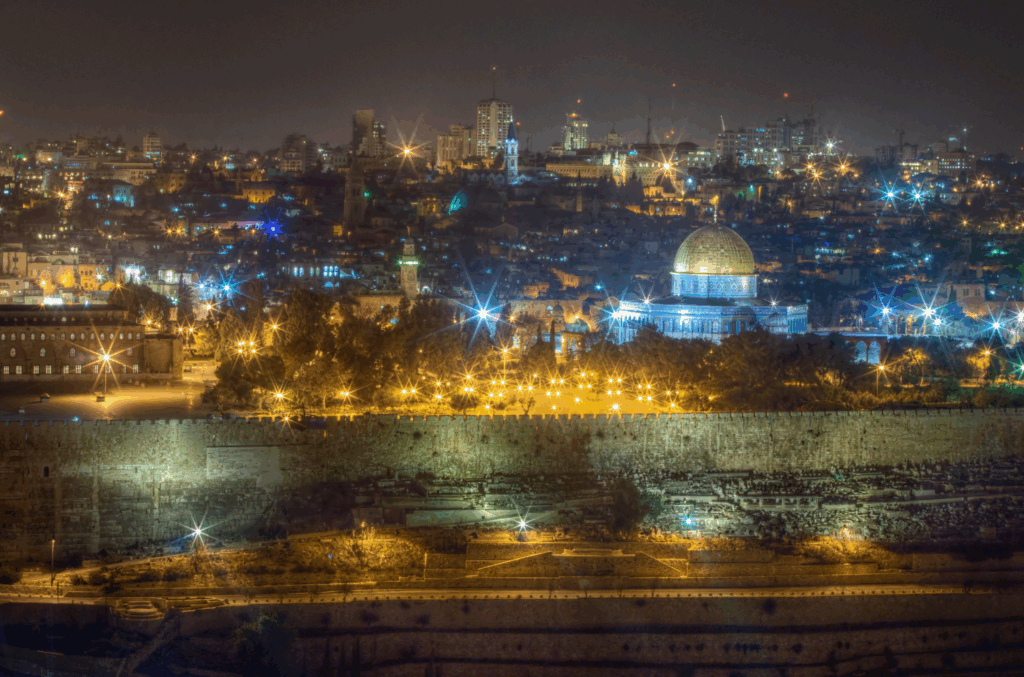
Israel is a unique country, with a mix of ancient history and modern innovation. The country is home to many historical and religious sites, including the Old City of Jerusalem, which is considered sacred to three major religions: Judaism, Christianity, and Islam. The city is home to numerous religious and historical landmarks, including the Western Wall, the Church of the Holy Sepulchre, and the Dome of the Rock.
Beyond its historical and religious significance, Israel is also known for its modern, innovative culture. The country is a hub for technology and innovation, with a thriving start-up scene and numerous high-tech companies based in the country. The city of Tel Aviv is often called the “Start-Up Nation,” and is home to a vibrant tech community, as well as beautiful beaches and a bustling nightlife.
In terms of geography, Israel is a diverse country, with deserts, mountains, forests, and beaches. The Dead Sea, located in the Judean Desert, is one of the country’s most famous natural wonders, known for its high salt content and therapeutic properties. The Sea of Galilee, located in the north of the country, is another popular attraction, with beautiful scenery and historical and religious significance.
Israel is also known for its food, which is a mix of Mediterranean, Middle Eastern, and Jewish cuisines. Popular dishes include falafel, hummus, shakshuka, and schnitzel, and there are many markets and restaurants throughout the country where visitors can sample these delicious foods.
Overall, Israel is a unique and fascinating country, with a rich history, beautiful landscapes, and a diverse and dynamic culture. Whether you’re interested in exploring historical and religious sites, experiencing modern innovation and technology, or simply enjoying the beautiful natural scenery and delicious food, there is something for everyone in Israel.
WEATHER AND BEST TIME TO VISIT
Israel has a Mediterranean climate, with hot, dry summers and mild, rainy winters. The best time to visit Israel depends on your interests and what you want to do during your trip.
The summer months of June to August can be very hot, with temperatures often exceeding 30°C (86°F) in many parts of the country. If you plan to visit during this time, it’s important to stay hydrated and take precautions to avoid heatstroke. However, summer can be a great time to visit if you want to enjoy the country’s beautiful beaches and outdoor activities.
Spring (March to May) and autumn (September to November) are generally considered the best times to visit Israel, as the weather is mild and pleasant. During this time, you can enjoy outdoor activities such as hiking and exploring the country’s natural wonders without the extreme heat of the summer months. The spring is also a great time to visit if you want to see the country’s wildflowers in bloom.
Winter (December to February) can be rainy and chilly, especially in the north of the country. However, it can also be a good time to visit if you want to explore the country’s historical and cultural sites without the crowds.
Overall, the best time to visit Israel depends on your preferences and what you want to do during your trip. If you’re planning to visit the country’s beaches and enjoy outdoor activities, the summer months can be a good choice. However, if you want to explore the country’s historical and cultural sites or enjoy hiking and outdoor activities in mild weather, spring and autumn are the best times to visit.
HOW TO REACH
Israel is easily accessible by air, with the main international airport being Ben Gurion Airport near Tel Aviv. The airport is served by numerous airlines from around the world, including major carriers such as American Airlines, British Airways, Delta, Emirates, Lufthansa, and United, among others.
There are also several other airports in Israel, including Eilat Airport, Haifa Airport, and Ovda Airport, which is used mainly for charter flights.
In addition to air travel, it’s also possible to reach Israel by land and sea. There are several border crossings with neighboring countries, including Egypt, Jordan, Lebanon, and Syria. There are also regular ferry services from Greece, Cyprus, and Turkey to the port of Haifa.
Once you arrive in Israel, there are several options for getting around the country, including taxis, buses, and trains. It’s also possible to rent a car, although driving in Israel can be challenging due to heavy traffic and narrow, winding roads.
LOCAL TRANSPORTATION
Israel has a reliable and extensive public transportation network that includes buses, trains, and taxis. Here are some details about each mode of transportation:
It’s worth noting that public transportation in Israel is limited on the Sabbath (Friday evening to Saturday evening), so it’s best to plan ahead if you need to travel during this time.
FOOD AND DRINKS, NIGHT LIFE
Israel is a culinary destination, with a diverse and vibrant food scene influenced by Jewish, Arab, and Mediterranean cultures. Here are some of the must-try foods and drinks in Israel:
As for nightlife, Israel has a vibrant and diverse scene, with plenty of options for all tastes. Tel Aviv is known for its lively nightlife, with many bars, clubs, and music venues staying open until the early hours of the morning. Jerusalem also has a thriving nightlife scene, with a mix of traditional bars and modern clubs. It’s worth noting that many places in Israel observe religious traditions, so it’s best to check ahead for opening hours and dress codes.
VISA RULES
Visa requirements for Israel vary depending on your country of citizenship. Citizens of many countries, including the United States, Canada, and the European Union, can enter Israel for up to 90 days without a visa. However, travelers from some countries do require a visa, so it’s best to check the visa requirements for your country before planning your trip.
If you do require a visa, you can apply for one at an Israeli embassy or consulate in your home country. The application process typically involves providing personal information, a passport photo, and proof of travel plans and accommodations.
It’s worth noting that visitors to Israel are subject to security screening upon arrival, which can be lengthy and thorough. It’s important to have all necessary documents and information ready to present to officials upon arrival to expedite the process.
In addition, visitors to Israel should be aware of restrictions on entry into certain areas of the country, such as the Gaza Strip and the West Bank. It’s important to stay up-to-date on the latest travel advisories and to follow all rules and regulations during your stay.
SAFETY
Israel is generally a safe country to visit, but visitors should be aware of the ongoing political and security situation in the region. There have been instances of violence and terrorism in the past, particularly in areas near the Gaza Strip and the West Bank.
It’s important to stay informed of the current situation and to follow all safety guidelines and travel advisories. Visitors should also be aware of the possibility of pickpocketing and other petty crimes in crowded areas, particularly in urban areas such as Tel Aviv and Jerusalem.
Additionally, visitors should be aware of the potential health risks in Israel, including exposure to the sun, dehydration, and exposure to contaminated water or food. It’s important to stay hydrated and to take precautions to prevent illness, such as drinking bottled water and washing hands frequently.
Overall, with proper precautions and awareness, visitors can have a safe and enjoyable trip to Israel.
DO’S AND DON’TS
Do:
Don’t:
By following these do’s and don’ts, visitors can show respect for local customs and traditions, stay safe, and have an enjoyable trip to Israel.
MAIN PLACES (CITIES, TOWNS, COUNTRYSIDE)
Israel is a small country, but it is home to many diverse and interesting places to visit. Here are some of the main places to see in Israel:
These are just a few of the many places to see in Israel, which has a rich history and diverse cultural offerings that make it a fascinating and rewarding destination for travelers.
CURRENCY EXCHANGE AND CUSTOMS ALLOWANCE
The official currency of Israel is the Israeli New Shekel (ILS). Currency exchange can be done at banks, exchange offices, and some hotels. ATMs are widely available throughout the country and are the easiest way to withdraw cash. Major credit cards such as Visa, MasterCard, and American Express are widely accepted in most establishments.
Customs allowance in Israel allows visitors to bring in a reasonable amount of personal items for personal use, such as clothing, cameras, and personal electronics. Visitors are allowed to bring in up to 200 cigarettes or 250 grams of tobacco, and 1 liter of alcoholic beverages per person, over the age of 17, duty-free. Additionally, visitors are allowed to bring in gifts valued up to $200 USD without incurring duty fees.
AMENITIES: WATER, ELECTRICITY, INTERNET, TELEPHONE IN ISRAEL
The tap water in Israel is generally safe to drink, but it is recommended to drink bottled water for those with a sensitive stomach. Electricity in Israel runs on 220 volts and requires a Type H plug, which has three prongs in a V-shape.
Internet and telephone services are widely available in Israel, and there are numerous providers offering both services. Many hotels and cafes offer free Wi-Fi to their customers, and prepaid SIM cards can be easily purchased at most convenience stores for those who need to use their phone while in Israel. The country code for Israel is +972, and international calls can be made from public phones and post offices.
GENERAL INFORMATION (TIME ZONE, LANGUAGE, RELIGION, HEALTH, CLOTHING, BUSINESS HOURS, BANKS, ETC) IN ISRAEL
Time Zone: Israel operates on Eastern European Time (EET), which is two hours ahead of Coordinated Universal Time (UTC+2). During Daylight Saving Time, which typically runs from late March to late October, Israel is on Eastern European Summer Time (EEST), which is three hours ahead of UTC+3.
Language: The official languages of Israel are Hebrew and Arabic. English is widely spoken and understood, particularly in major cities and tourist destinations.
Religion: The majority of the population in Israel practices Judaism, followed by Islam, and Christianity. Israel is a deeply religious country, and many of the laws and customs are based on religious beliefs.
Health: Medical facilities in Israel are generally of a high standard, and many doctors and nurses speak English. There are both public and private hospitals in Israel, and visitors are advised to have comprehensive travel insurance.
Clothing: While Israel is a modern country, it is also a religious one, and visitors are advised to dress modestly, particularly in religious areas. Women should cover their shoulders and wear skirts or pants that reach below the knee. Men should wear long pants and shirts with sleeves.
Business Hours: Business hours in Israel vary, but most businesses are open Sunday through Thursday from 8:00 a.m. to 5:00 p.m., and some may be open on Friday mornings as well. Most businesses are closed on Friday afternoons and Saturdays due to the Jewish Sabbath.
Banks: Banks in Israel are typically open Sunday through Thursday from 8:30 a.m. to 1:00 p.m., and on Sundays, Tuesdays, and Thursdays from 4:00 p.m. to 6:00 p.m. Some banks are also open on Friday mornings. ATMs are widely available throughout the country.

BF-036, Baani City Center, Sector 63, Gurugram 122011, Haryana, India

The Holiday Platform
Copyright © 2025 Tripginny, All rights reserved. Powered by URAHL Venture