
+91 7042404014
AZERBAIJAN COUNTRY FACTFILE
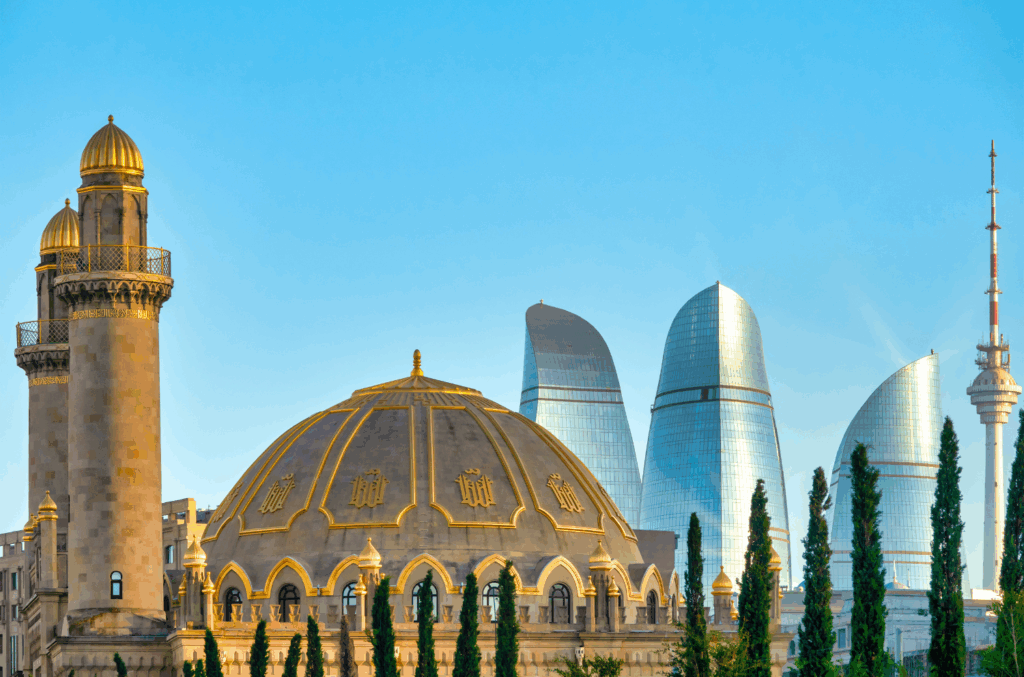
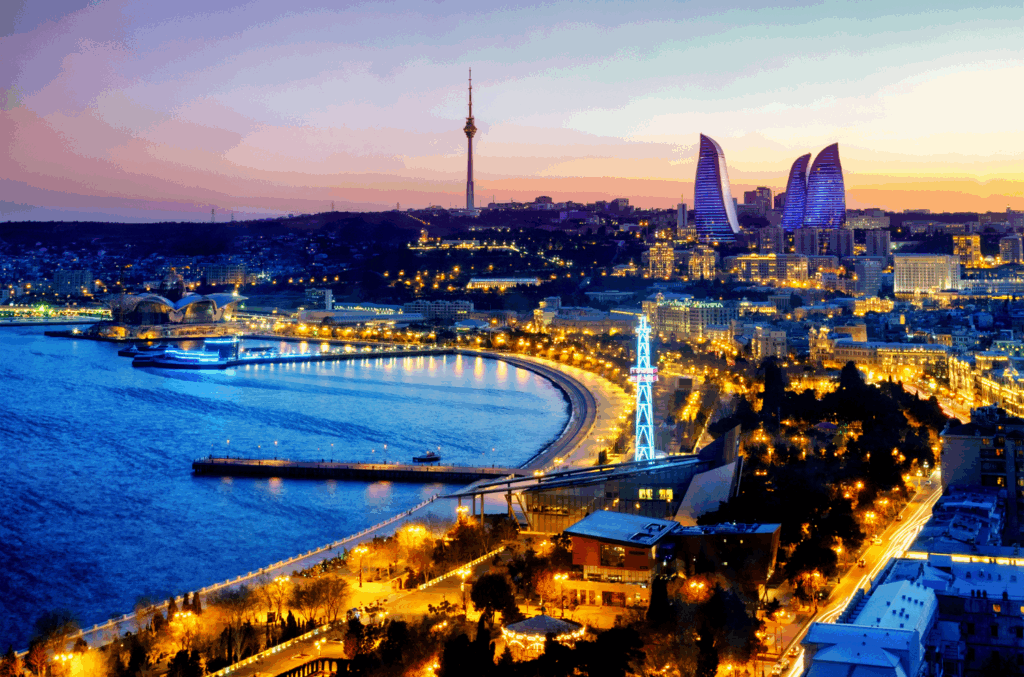
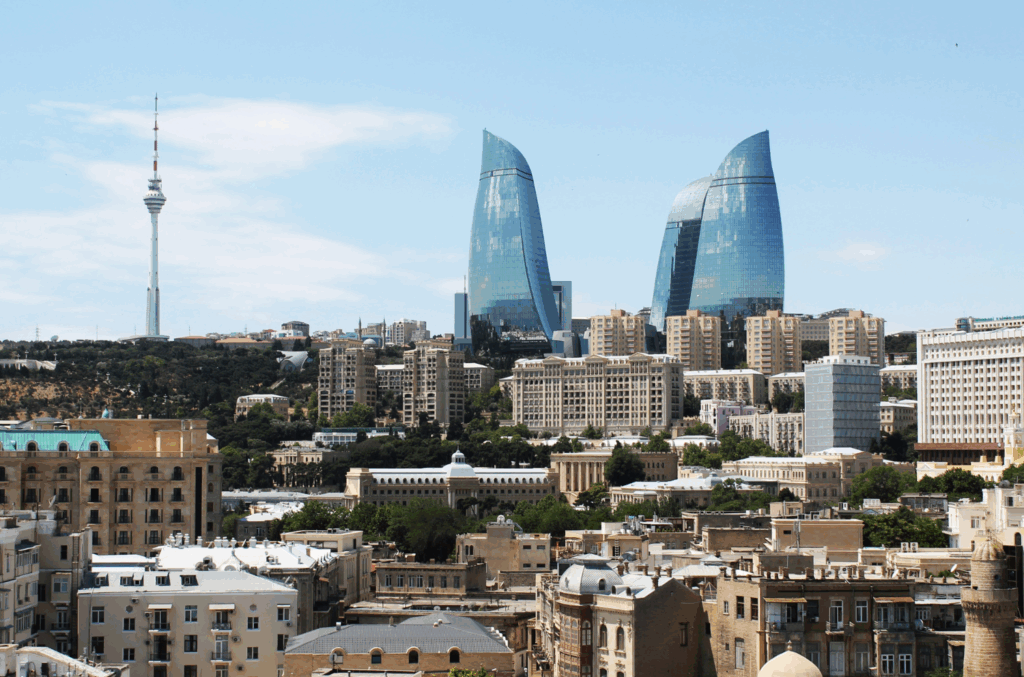
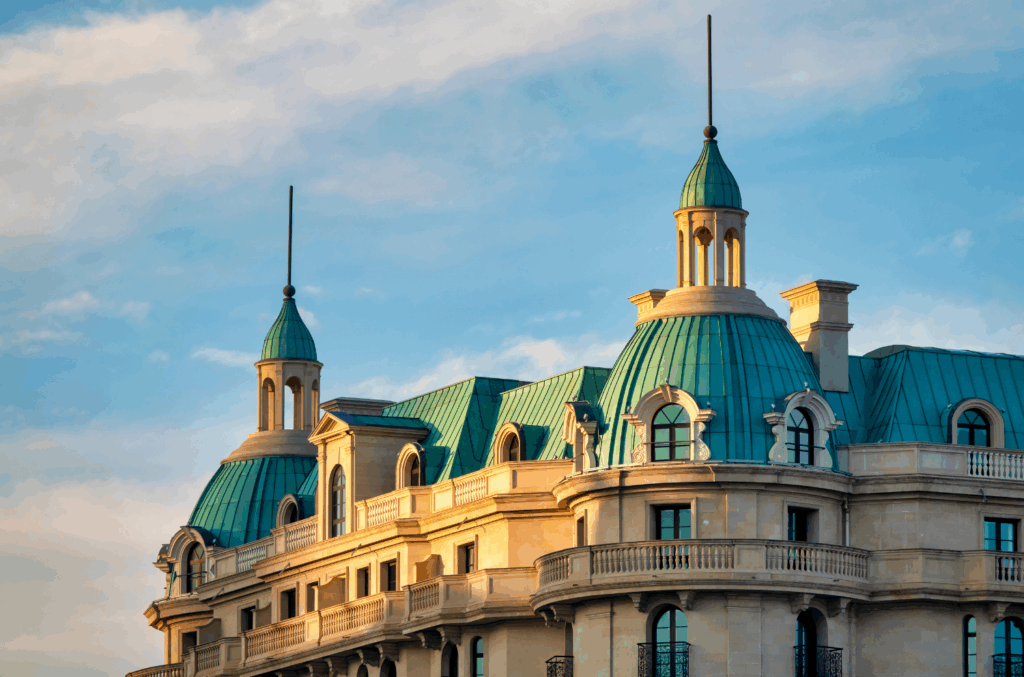
Azerbaijan is a country located in the South Caucasus region of Eurasia, bordered by Russia to the north, Georgia to the northwest, Armenia to the west, Iran to the south, and the Caspian Sea to the east. The country is known for its rich culture, stunning natural beauty, and oil reserves. Azerbaijan is the largest country in the Caucasus region and is a member of the United Nations, the Organization for Security and Co-operation in Europe (OSCE), and the Council of Europe.
Azerbaijan has a population of approximately 10 million people and is home to a diverse mix of ethnicities, including Azerbaijani (the majority), Russian, Armenian, Georgian, and Lezgin. The official language is Azerbaijani, which is closely related to Turkish and is written in the Latin script. However, Russian and English are also widely spoken, especially in urban areas.
The history of Azerbaijan is rich and varied, with evidence of human settlement dating back to the Stone Age. The country was part of various empires throughout history, including the Persian, Roman, Byzantine, Mongol, and Ottoman Empires. In the early 20th century, Azerbaijan became part of the Soviet Union, which had a significant impact on the country’s political and social structure. Azerbaijan gained independence from the Soviet Union in 1991 and has since undergone significant economic and political reforms.
Azerbaijan has a diverse climate, with different regions experiencing varying weather patterns. The coastal areas along the Caspian Sea have a subtropical climate, while the northern regions have a moderate continental climate. The best time to visit Azerbaijan is during the spring and autumn months, when temperatures are mild and there is less chance of rainfall.
The capital city of Azerbaijan is Baku, which is also the country’s largest city and main commercial center. Other major cities in Azerbaijan include Ganja, Sumgait, and Lankaran. The countryside is also home to many historic and cultural sites, including the medieval walled city of Nakhchivan, the ancient rock carvings at Gobustan, and the fire temple of Ateshgah.
Azerbaijan’s economy is heavily dependent on the oil and gas industry, with the country being one of the world’s leading oil producers. Other important industries include agriculture, tourism, and construction. Azerbaijani cuisine is also well-known for its rich and flavorful dishes, which often include meat, vegetables, and spices.
The official currency of Azerbaijan is the Azerbaijani manat, and visitors can exchange their currency at banks and exchange offices throughout the country. Azerbaijan is generally a safe country for visitors, although it is always important to be aware of your surroundings and take necessary precautions.
WEATHER AND BEST TIME TO VISIT
Azerbaijan experiences a continental climate with distinct seasons throughout the year. Summers can be quite hot and humid with temperatures averaging around 30°C (86°F) in the lowlands and can reach up to 40°C (104°F) in some areas. Winters, on the other hand, can be cold and snowy with temperatures ranging from -5°C to 5°C (23°F to 41°F) in the lowlands. Spring and autumn are generally mild and pleasant.
The best time to visit Azerbaijan is during the spring and autumn months, specifically from April to June and September to November. The weather during these months is mild, and the landscapes are lush and green. These months are also ideal for outdoor activities such as hiking, trekking, and exploring the natural beauty of the country. However, if you plan to visit the coastal areas, summer may be the best time to go. The Caspian Sea coast is known for its hot and humid summers and mild winters.
HOW TO REACH
Azerbaijan is easily accessible by air, land, and sea. The country has three international airports – Heydar Aliyev International Airport in Baku, Ganja International Airport in the western region, and Nakhchivan International Airport in the autonomous region of Nakhchivan. These airports are served by several major international airlines, including Azerbaijan Airlines, Turkish Airlines, Qatar Airways, Lufthansa, and many more.
Visitors can also reach Azerbaijan by train or bus from neighboring countries such as Georgia, Turkey, and Iran. The country is also accessible by sea, with several ports located along the Caspian Sea.
Domestic transportation within Azerbaijan includes buses, trains, and taxis. Buses are a popular mode of transportation between cities and towns, while trains are a great option for longer distances. Taxis are widely available in cities and can be hailed on the street or booked through ride-hailing apps. Car rental services are also available in major cities.
LOCAL TRANSPORTATION
Azerbaijan has a relatively well-developed transportation system, with options ranging from public transportation to private taxis. The most popular mode of public transportation is the bus, which operates in most cities and towns throughout the country. Baku, the capital city, also has a metro system that provides easy access to different parts of the city. Taxis are readily available in most areas and are a convenient option for tourists who want to explore the city or travel longer distances. It is recommended to use a licensed taxi service or negotiate the fare before getting in.
For those who prefer to drive themselves, car rental companies are available in Baku and other major cities, but driving in Azerbaijan can be challenging due to the high volume of traffic and poor road conditions outside of major urban centers.
Train travel is another option for transportation in Azerbaijan, with routes connecting major cities such as Baku, Ganja, and Sumgait. The train system is operated by Azerbaijan Railways, and tickets can be purchased online or at train stations.
For air travel, Azerbaijan’s main international airport is Heydar Aliyev International Airport, located in Baku. The airport serves many major airlines and offers direct flights to a number of international destinations. Regional airports are also available in other parts of the country.
Overall, transportation in Azerbaijan is relatively affordable and convenient, with a range of options to suit different needs and budgets.
FOOD AND DRINKS, NIGHT LIFE
Azerbaijan offers a diverse culinary scene that combines influences from Middle Eastern, Mediterranean, and Central Asian cuisines. One of the most famous dishes is plov, a rice-based dish that is typically served with meat, vegetables, and herbs. Other popular dishes include dolma (stuffed grape leaves), kebab, and qutab (a type of stuffed pancake). Tea is a staple beverage in Azerbaijan and is often served with sweets such as baklava and shekerbura.
Azerbaijan has a vibrant nightlife scene with many options to choose from, especially in the capital city of Baku. There are numerous bars, clubs, and restaurants that cater to a range of tastes and preferences. Many of these establishments offer live music and entertainment, making them popular destinations for locals and tourists alike.
Alcohol is widely available in Azerbaijan, although it is important to note that the country is predominantly Muslim, and alcohol consumption is not widely accepted in all parts of the society. It is important to drink responsibly and to be aware of local customs and laws regarding alcohol consumption.
Overall, Azerbaijan offers a rich culinary scene and a lively nightlife, providing visitors with plenty of opportunities to enjoy the local culture and social scene.
VISA RULES
Foreign nationals visiting Azerbaijan are generally required to obtain a visa prior to arrival. However, citizens of several countries can obtain a visa on arrival or are eligible for visa-free travel to Azerbaijan for a specified period. These countries include the United States, European Union member states, United Arab Emirates, Turkey, Israel, Japan, Malaysia, and a few others.
The duration of stay allowed for visa-free travelers and those with visas on arrival can vary from 30 to 90 days, depending on the nationality. Those who require a visa in advance must apply at the nearest Azerbaijani embassy or consulate. The process usually takes a few weeks, and applicants must provide the necessary documentation, such as a passport with at least six months validity, a completed visa application form, and a recent passport-size photo.
It’s important to note that visa rules and regulations can change, so it’s advisable to check with the relevant authorities or a travel agent before planning a trip to Azerbaijan.
SAFETY
Azerbaijan is generally a safe country for tourists. Petty crime, such as pickpocketing and theft, can occur in crowded areas and on public transportation, so it is important to take necessary precautions. It is also advised to avoid traveling to the Nagorno-Karabakh region and surrounding territories, as they are involved in a long-standing conflict.
It is important to be aware of the current political situation in Azerbaijan and to avoid any demonstrations or protests, as they can sometimes turn violent. Additionally, it is recommended to be cautious when traveling near the border areas with Armenia and Georgia due to tensions in the region.
It is also important to be aware of the local customs and laws to avoid any misunderstandings or legal trouble. For example, public displays of affection are not commonly accepted and smoking is prohibited in most indoor public places.
DO’S AND DON’TS
Here are some general do’s and don’ts to keep in mind when visiting Azerbaijan:
Do:
Don’t:
It’s important to note that these are just general guidelines and there may be additional cultural norms or customs to be aware of depending on the specific region of Azerbaijan you are visiting.
MAIN PLACES (CITIES, TOWNS, COUNTRYSIDE)
Azerbaijan is a country in the South Caucasus region of Eurasia. It is a country with a rich history and culture, known for its diverse landscape that includes mountains, forests, and coastal areas on the Caspian Sea. Here are some of the main places to visit in Azerbaijan:
CURRENCY EXCHANGE AND CUSTOMS ALLOWANCE
The currency of Azerbaijan is the Azerbaijani manat (AZN). It is advisable to exchange currency at official exchange offices or banks to avoid being scammed. Visitors can bring in and take out up to 10,000 AZN without declaring it. The customs allowance for bringing in items is 3 liters of alcoholic beverages, 400 cigarettes or 50 cigars, and up to 300 AZN worth of goods.
It is important to note that bringing certain items, such as drugs and weapons, into the country is strictly prohibited and can result in severe legal consequences.
AMENITIES: WATER, ELECTRICITY, INTERNET, TELEPHONE
Azerbaijan is a modern and rapidly developing country, and visitors should have no trouble finding access to essential amenities during their stay. Here is some information on the amenities you can expect:
Water: Tap water in Azerbaijan is generally safe to drink, but many visitors prefer to drink bottled water, which is readily available in most shops and markets.
Electricity: The electrical current in Azerbaijan is 220 volts AC, 50Hz. Most plugs are the European two-pin style, so visitors from other regions may need to bring a plug adapter.
Internet: Azerbaijan has a well-developed telecommunications infrastructure, and visitors can expect to find reliable internet access in most urban areas. Many hotels and cafes offer free Wi-Fi, and mobile internet services are widely available.
Telephone: The international dialing code for Azerbaijan is +994. Public payphones are becoming less common, but many people use mobile phones, which can be purchased locally or rented from mobile providers.
Overall, visitors to Azerbaijan should find the country to be well-equipped to meet their basic needs.
GENERAL INFORMATION: TIME ZONE, LANGUAGE, RELIGION, HEALTH, CLOTHING, BUSINESS HOURS, BANKS, ETC
Time Zone: Azerbaijan Standard Time is four hours ahead of Coordinated Universal Time (UTC+4).
Language: The official language of Azerbaijan is Azerbaijani, also known as Azeri. Russian and English are also widely spoken and understood, especially in the cities and tourist areas.
Religion: Islam is the predominant religion in Azerbaijan, with approximately 95% of the population being Muslims, mainly Shia Muslims. The remaining population is primarily made up of Orthodox Christians and Jews.
Health: Medical facilities in Azerbaijan are generally of a good standard in urban areas, but medical services in rural areas can be limited. It is recommended to have comprehensive travel and medical insurance when visiting Azerbaijan.
Clothing: Azerbaijan is a secular country, but it is still recommended to dress conservatively, particularly in rural areas and when visiting mosques or other religious sites. In general, it is best to avoid revealing clothing, particularly for women.
Business Hours: Business hours in Azerbaijan vary, but typically offices are open from 9:00am to 6:00pm, Monday through Friday, with a lunch break from 1:00pm to 2:00pm. Many shops and markets are open seven days a week, with hours typically from 10:00am to 7:00pm.
Banks: Most banks in Azerbaijan are open from 9:00am to 5:00pm, Monday through Friday, but some may be open on Saturdays as well. ATMs are widely available in major cities and towns. The currency of Azerbaijan is the Azerbaijani manat (AZN).
Electricity: The voltage in Azerbaijan is 220V, and the frequency is 50Hz. Plugs are typically the European standard two-pin plugs.
Internet and Telephone: Internet access and mobile phone coverage is widely available in major cities and towns, but may be limited in rural areas. The international dialing code for Azerbaijan is +994.

BF-036, Baani City Center, Sector 63, Gurugram 122011, Haryana, India

The Holiday Platform
Copyright © 2025 Tripginny, All rights reserved. Powered by URAHL Venture