+91 7042404014
LEBANON COUNTRY FACTFILE
Lebanon is a small, mountainous country located in the Middle East, bordered by Syria to the north and east, Israel to the south, and the Mediterranean Sea to the west. It is a country with a rich history and culture, having been inhabited by numerous civilizations over the centuries, including the Phoenicians, Greeks, Romans, Ottomans, and French. Today, Lebanon is known for its diverse culture, beautiful landscapes, and delicious cuisine.
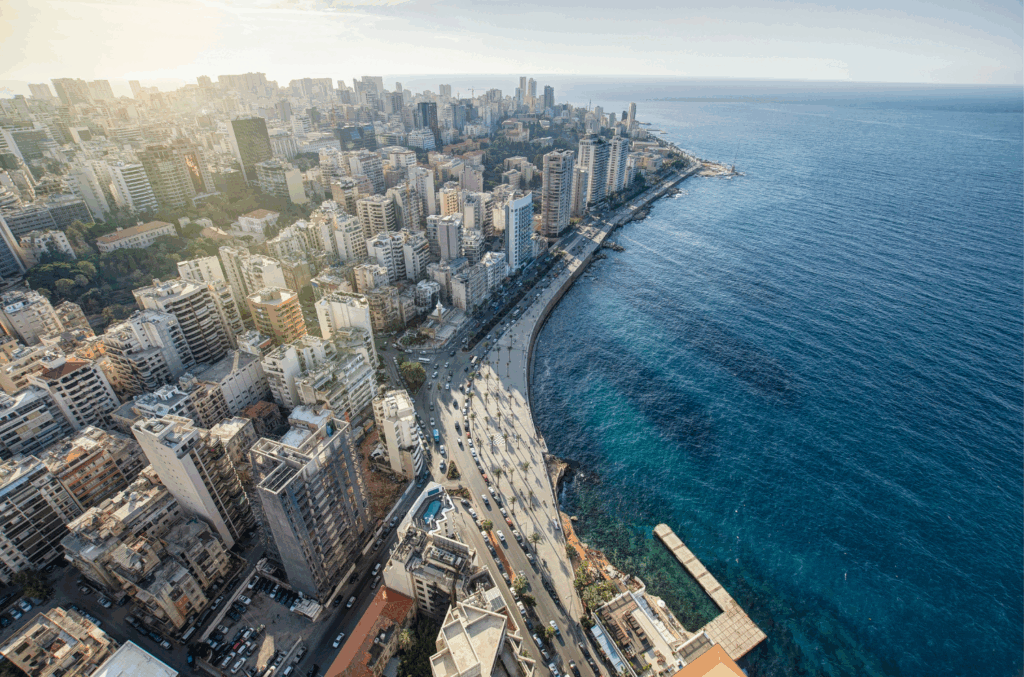
The capital of Lebanon is Beirut, which is also the largest city and the commercial center of the country. Beirut is a vibrant city that blends the old and the new, with its ancient architecture and modern skyscrapers. Other major cities in Lebanon include Tripoli, Sidon, and Tyre, each of which has a unique character and history.
Lebanon’s climate is Mediterranean, with hot and dry summers and mild and rainy winters. The best time to visit Lebanon is from April to November, when the weather is warm and pleasant, and there are many cultural and tourist events taking place.
Lebanese cuisine is famous for its mezze, which is a selection of small dishes served as an appetizer or a main course. Mezze typically includes hummus, tabbouleh, fattoush, kibbeh, and falafel, among others. Lebanese cuisine also features grilled meats, fresh seafood, and a variety of sweets and pastries.
The official language of Lebanon is Arabic, but many Lebanese people also speak French and English. The majority of the population is Muslim and Christian, and there is a significant minority of Druze. Lebanon has a rich cultural heritage, with influences from the ancient Phoenicians, the Greeks, the Romans, and the Ottomans, among others.
Lebanon has faced many challenges in its recent history, including a long civil war and political instability. However, despite these challenges, Lebanon remains a vibrant and welcoming country, with a resilient people and a rich cultural heritage.
WEATHER AND BEST TIME TO VISIT
Lebanon has a Mediterranean climate, with mild winters and hot and dry summers. The best time to visit Lebanon is during the spring (March to May) and fall (September to November) when the weather is pleasant, and the scenery is breathtaking. During these seasons, temperatures are moderate, and rainfall is infrequent, making it an ideal time for outdoor activities and sightseeing. Summers can be quite hot, with temperatures exceeding 30°C (86°F), especially in coastal areas. Winter months (December to February) can be rainy and occasionally snowy in mountainous regions, but the temperature rarely drops below freezing. It’s worth noting that the coastal regions and mountains have different weather patterns, and it’s recommended to check the forecast before visiting.
HOW TO REACH
Lebanon has one international airport, the Beirut Rafic Hariri International Airport, located about 9 km from downtown Beirut. It is well connected to major cities in Europe, the Middle East, and North Africa. The airport has numerous airlines flying in and out of Lebanon, including Middle East Airlines (MEA), Emirates, Qatar Airways, Turkish Airlines, and many more.
Alternatively, visitors can enter Lebanon via land borders with Syria or Israel, but it’s essential to check with authorities regarding border restrictions and entry requirements before traveling.
Once in Lebanon, visitors can use taxis, buses, or rental cars to get around. Taxis are widely available and relatively inexpensive. Buses are a popular mode of transportation, and they connect major cities and towns. Rental cars are also available, but driving in Lebanon can be challenging due to the heavy traffic and narrow roads.
LOCAL TRANSPORTATION
In Lebanon, there are several modes of transportation available to travelers, including taxis, buses, and shared taxis known as “service.” Taxis are generally the most convenient way to get around, but they can be expensive. It is important to negotiate the fare before getting in the taxi as they usually don’t have meters.
Buses are another popular mode of transportation, particularly for longer journeys between cities. There are both public and private buses, with the latter being more comfortable and often faster.
Shared taxis, or “service,” are a cheaper option than taxis, and they run on fixed routes, so it is important to know which one to take. These services usually operate between cities and towns, and they stop wherever a passenger requests.
Car rentals are also available at most airports and in major cities, but the driving conditions in Lebanon can be challenging due to the narrow roads, steep hills, and aggressive driving styles. It is also worth noting that parking can be difficult to find in some areas.
FOOD AND DRINKS, NIGHT LIFE
Lebanon has a rich culinary heritage and is known for its Mediterranean cuisine, which incorporates a variety of fresh herbs and spices, olive oil, vegetables, and grilled meats. Some popular dishes include tabbouleh, hummus, baba ghanoush, kebabs, shawarma, and falafel. The country also produces excellent wines and arak, an anise-flavored alcoholic drink. In addition to its food and drink, Lebanon has a vibrant nightlife scene, particularly in Beirut. The city offers a wide range of bars, clubs, and music venues, with options for all tastes and budgets.
However, it is important to note that Lebanon is a conservative country, and visitors should dress modestly when visiting public places, especially religious sites. Alcohol consumption is legal in Lebanon, but it is not advisable to drink excessively or display drunken behavior in public areas.
It is also important to be mindful of safety concerns, especially in certain areas of Beirut, and to avoid political demonstrations and large gatherings. As always, visitors should exercise caution and be aware of their surroundings when out and about at night.
VISA RULES
Most visitors to Lebanon require a visa to enter the country, except for citizens of certain countries who can enter visa-free for a limited period. Visitors can obtain a visa at the Lebanese embassy or consulate in their home country, or apply for an e-visa online prior to arrival. It is also possible to obtain a visa on arrival at the airport, although this is not recommended due to potential delays and long queues.
The requirements for a visa vary depending on the visitor’s nationality and purpose of visit, but typically include a valid passport, proof of accommodation, and sufficient funds for the duration of the stay. It is recommended to check the latest visa requirements before traveling to Lebanon to ensure a smooth and hassle-free entry.
It is important to note that travelers who have visited Israel or have an Israeli stamp in their passport may face difficulties obtaining a visa or entering Lebanon. It is recommended to check with the Lebanese embassy or consulate before traveling if this applies to you.
SAFETY
Lebanon is considered a relatively safe country to visit, but travelers should exercise caution, especially when it comes to political gatherings or protests. Visitors should avoid areas near the borders with Syria and Israel, as these areas can be unstable. There is also a risk of terrorist attacks, particularly in busy urban areas, so it is important to remain vigilant and aware of your surroundings at all times. Visitors should also be mindful of petty crime, such as pickpocketing and theft.
As with any destination, it is recommended that travelers check the latest safety and security advisories from their home country before embarking on a trip to Lebanon. It is also advisable to register with your embassy or consulate upon arrival in Lebanon, so that they are aware of your presence and can assist you in case of an emergency.
DO’S AND DON’TS
Do’s:
Don’ts:
Keep in mind that these are just general guidelines, and it’s always a good idea to research the specific customs and traditions of the area you’ll be visiting in Lebanon to ensure that you’re showing respect to the local culture.
MAIN PLACES (CITIES, TOWNS, COUNTRYSIDE)
Lebanon has a number of beautiful cities and towns, as well as breathtaking countryside areas that are worth visiting. Some of the main places to see in Lebanon include:
These are just some of the many places worth visiting in Lebanon, which offers visitors a rich cultural and natural landscape to explore.
CURRENCY EXCHANGE AND CUSTOMS ALLOWANCE
The official currency of Lebanon is the Lebanese pound (LBP). Foreign currencies such as US dollars and euros are widely accepted in hotels, restaurants, and stores, especially in tourist areas. However, it is advisable to have some local currency on hand when traveling outside of these areas. Currency exchange is available at airports, banks, and exchange offices throughout the country.
As for customs allowances, travelers to Lebanon are allowed to bring in personal items such as clothes and toiletries duty-free. The duty-free allowance for tobacco products is limited to 2 cartons of cigarettes or 50 cigars, while the duty-free allowance for alcoholic beverages is limited to 1 liter. It is important to note that drug trafficking is strictly prohibited in Lebanon and carries severe penalties.
AMENITIES: WATER, ELECTRICITY, INTERNET, TELEPHONE IN LEBANON
In Lebanon, the amenities vary depending on the location and infrastructure. In major cities such as Beirut, you can expect reliable access to water, electricity, internet, and telephone services. However, in more remote areas, the quality and availability of these services may be limited.
Water is generally safe to drink in Beirut and other major cities, but it’s best to stick to bottled water in more rural areas. Electricity is available throughout the country, but power outages can occur, particularly during the summer months when demand is high.
The internet is widely available in Lebanon, and most hotels, cafes, and restaurants offer free Wi-Fi to customers. Mobile internet coverage is also widespread and reliable, with multiple providers offering 4G and 5G services.
Telephone services are provided by several companies, including state-owned Ogero and private providers such as Touch and Alfa. International calling is available from most phones, and prepaid SIM cards are widely available for tourists and short-term visitors.
Overall, while there may be some variations in the quality and availability of amenities across different areas of Lebanon, visitors should generally expect a good level of service in major cities and towns.
GENERAL INFORMATION (TIME ZONE, LANGUAGE, RELIGION, HEALTH, CLOTHING, BUSINESS HOURS, BANKS, ETC) IN LEBANON
Time Zone: Lebanon Standard Time is 2 hours ahead of Coordinated Universal Time (UTC+2), and during daylight saving time, it is 3 hours ahead of Coordinated Universal Time (UTC+3).
Language: The official language of Lebanon is Arabic, but many people also speak French and English.
Religion: Lebanon has a diverse population, and the country recognizes 18 different religious groups. The majority of the population is Muslim (Sunni and Shia), but there is also a significant Christian minority.
Health: Lebanon has a fairly good healthcare system, and many hospitals and clinics are available throughout the country. However, it is recommended to have travel insurance that includes medical coverage when visiting Lebanon.
Clothing: Lebanon is a conservative country, and visitors should dress modestly, especially when visiting religious sites. Women should cover their shoulders and knees, and men should avoid wearing shorts.
Business Hours: The typical business hours in Lebanon are from 9 am to 6 pm, Monday through Friday, with a lunch break from 1 pm to 2 pm. Many businesses are also open on Saturdays, but they may close early.
Banks: Banks in Lebanon are generally open from 8:30 am to 2 pm, Monday through Friday, and some banks are also open on Saturday mornings. ATMs are widely available throughout the country.
Electricity: The standard voltage in Lebanon is 220V, and the frequency is 50 Hz. The country uses European-style two-pin plugs.
Internet and Telephone: Lebanon has a good internet infrastructure, and Wi-Fi is available in most hotels, cafes, and public places. The country code for Lebanon is +961, and international calls can be made from public phones or via mobile networks.

BF-036, Baani City Center, Sector 63, Gurugram 122011, Haryana, India

The Holiday Platform
Copyright © 2025 Tripginny, All rights reserved. Powered by URAHL Venture