+91 7042404014
MALAYSIA COUNTRY FACTFILE
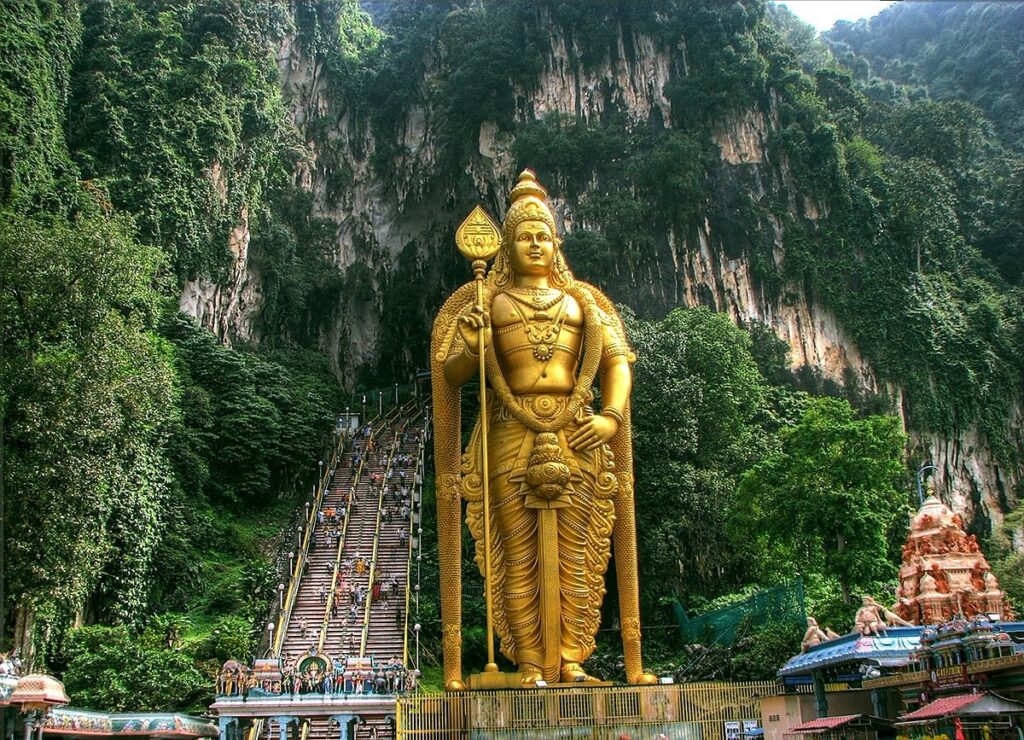
Malaysia is a Southeast Asian country known for its diverse culture, stunning landscapes, and modern cities. Located on the Malay Peninsula and the island of Borneo, Malaysia is a melting pot of various cultures, including Malay, Chinese, Indian, and indigenous groups. The country has a rich history, having been colonized by various European powers in the past, including Portugal, the Netherlands, and Great Britain. Today, Malaysia is a federal constitutional monarchy with a modern economy and a strong focus on tourism.
One of the biggest draws of Malaysia is its natural beauty. The country is home to a variety of landscapes, including dense rainforests, beautiful beaches, and stunning mountains. Some of the most popular natural attractions include Taman Negara National Park, Gunung Mulu National Park, and Mount Kinabalu. Malaysia is also known for its delicious cuisine, which blends flavors from the various cultures that call the country home. Some of the most popular dishes include nasi lemak, laksa, and satay.
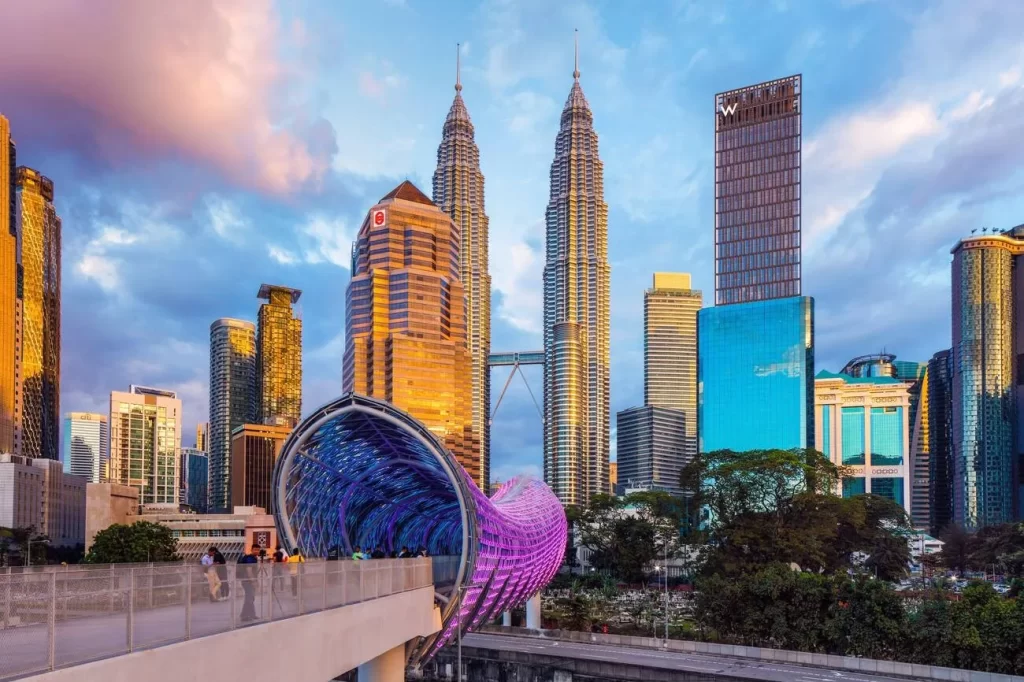
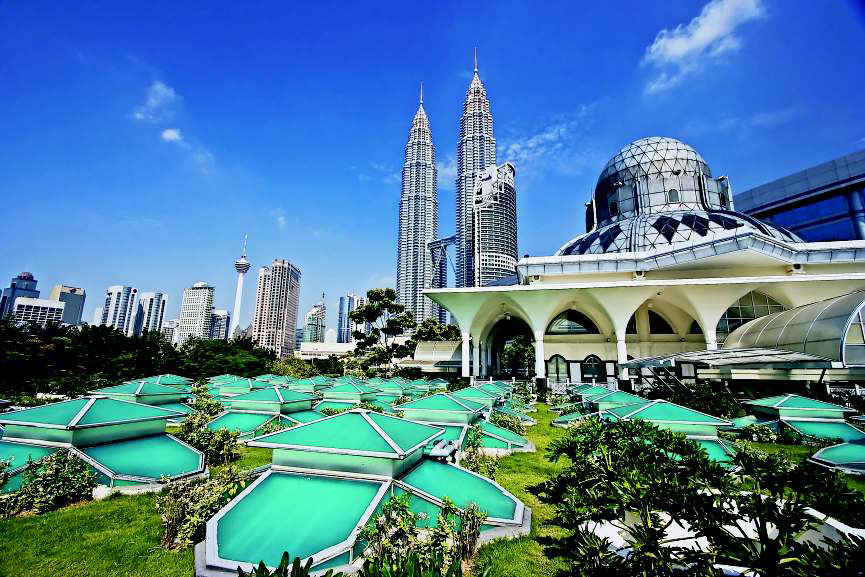
In addition to its natural beauty and delicious cuisine, Malaysia is also known for its modern cities. Kuala Lumpur, the capital of Malaysia, is a bustling metropolis with towering skyscrapers, impressive shopping malls, and a vibrant nightlife scene. Other major cities in Malaysia include George Town, which is known for its colonial architecture and street art, and Johor Bahru, which is located just across the border from Singapore.
Malaysia is also a great destination for cultural experiences. The country is home to a number of museums, including the National Museum of Malaysia and the Islamic Arts Museum. Visitors can also learn about traditional Malay culture by visiting a kampong (traditional Malay village) or by attending a cultural performance.
Overall, Malaysia is a country that offers something for everyone, whether you’re interested in exploring the great outdoors, trying new foods, or experiencing a modern and cosmopolitan city.
WEATHER AND BEST TIME TO VISIT
Malaysia has a tropical climate and experiences warm temperatures throughout the year. The country has two distinct monsoon seasons – the southwest monsoon (May to September) and the northeast monsoon (November to March). The best time to visit Malaysia is generally between March and October, when the weather is drier and more pleasant. However, it’s worth noting that some parts of Malaysia, such as the east coast of Peninsular Malaysia and Sabah and Sarawak on the island of Borneo, have their peak tourist season during the northeast monsoon period.
Temperatures in Malaysia typically range from 25°C to 33°C (77°F to 91°F) during the day, with humidity levels often high. Rainfall is common, especially during the monsoon seasons, and visitors should be prepared for occasional downpours. It’s also important to note that Malaysia is prone to occasional haze caused by forest fires in Indonesia, which can affect air quality and visibility.
HOW TO REACH
Malaysia is well-connected with the rest of the world and is easily accessible via air, sea, and land routes.
By Air: The Kuala Lumpur International Airport (KLIA) is the primary airport in Malaysia and is located in the capital city of Kuala Lumpur. It is one of the busiest airports in Southeast Asia and is well-connected to major cities across the globe. Other airports in Malaysia include Penang International Airport, Langkawi International Airport, and Kota Kinabalu International Airport.
By Sea: Malaysia has several major ports, including Port Klang, Penang Port, Johor Port, and Tanjung Pelepas Port, which handle cargo and passenger traffic. The country is well-connected with various ports in Southeast Asia, East Asia, and the Middle East.
By Land: Malaysia shares land borders with Thailand, Singapore, and Brunei. There are several road crossings and railway links that connect Malaysia to its neighboring countries. Buses and taxis are also available for travel within the country and across the borders.
Once in Malaysia, getting around is relatively easy, with an extensive network of buses, trains, and taxis available. Major cities such as Kuala Lumpur, Penang, and Johor Bahru also have well-established public transportation systems that include commuter trains and bus rapid transit (BRT) systems.
LOCAL TRANSPORTATION
Malaysia has a well-developed and efficient transportation system that caters to both locals and tourists. Some of the main modes of transportation include:
Overall, transportation in Malaysia is relatively affordable, convenient, and safe. It is important to always be aware of your surroundings and take necessary precautions, especially when using public transportation at night.
FOOD AND DRINKS, NIGHT LIFE
Malaysia is a food paradise, with a rich culinary heritage that reflects its multiculturalism. Some of the popular dishes include Nasi Lemak, Satay, Char Kway Teow, and Laksa. There are also many street food stalls and night markets where you can sample various local delights. In terms of drinks, Teh Tarik (pulled tea) and Kopi (coffee) are local favourites.
Nightlife in Malaysia can be enjoyed in cities like Kuala Lumpur, Penang, and Johor Bahru, which offer a variety of options, such as clubs, bars, and live music venues. There are also many rooftop bars in Kuala Lumpur that provide a stunning view of the city skyline. For those interested in gambling, there are casinos located in Genting Highlands and on the island of Penang.
VISA RULES
Visitors from most countries are allowed to enter Malaysia without a visa for stays up to 90 days. However, some countries may require a visa or a visa on arrival. It is best to check the official website of the Malaysian immigration department to know the visa requirements for your country.
Visa-free entry is granted to citizens of countries such as the United States, the United Kingdom, Canada, Australia, New Zealand, and most European countries. Visitors are required to have a passport that is valid for at least six months from the date of entry into Malaysia.
For those who require a visa, it can be obtained from Malaysian diplomatic missions abroad or online through the eVisa or eNTRI system. The eVisa is an online visa that allows travelers to enter Malaysia for up to 30 days, while the eNTRI (Electronic Travel Registration & Information) is a visa waiver program for tourists traveling to Malaysia for up to 15 days.
It is important to note that visitors who overstay their visa may be fined or detained and may be prohibited from entering Malaysia in the future.
SAFETY
Malaysia is generally considered a safe country to visit, with a relatively low crime rate compared to other countries in the region. However, as with any foreign country, it is important to take some precautions to ensure your safety. Petty crime, such as pickpocketing and bag snatching, can occur in tourist areas and crowded public places, so it’s important to keep a close eye on your belongings and be aware of your surroundings.
It is also important to note that Malaysia is a predominantly Muslim country, and visitors should be respectful of local customs and religious beliefs. Dressing modestly and conservatively, especially when visiting mosques or other religious sites, is highly recommended. In addition, alcohol consumption is legal in Malaysia, but drinking in public places is prohibited and visitors should be mindful of local laws and customs related to alcohol consumption.
DO’S AND DON’TS
Do’s:
Don’ts:
MAIN PLACES (CITIES, TOWNS, COUNTRYSIDE)
CURRENCY EXCHANGE AND CUSTOMS ALLOWANCE
The official currency of Malaysia is the Malaysian Ringgit (MYR). Currency exchange can be done at airports, banks, and money changers throughout the country. It’s recommended to exchange money at authorized outlets to avoid scams or counterfeit currency.
As for customs allowances, visitors are allowed to bring in up to MYR 1,000 in cash without declaring it. For amounts exceeding MYR 1,000, travelers are required to declare it at customs. The duty-free allowance for cigarettes is 200 sticks, and for alcohol, it is one liter of wine or spirits.
It’s important to note that bringing drugs into Malaysia is illegal and can result in severe penalties, including the death penalty. Additionally, it’s prohibited to bring in firearms, pornography, and certain types of religious literature.
AMENITIES: WATER, ELECTRICITY, INTERNET, TELEPHONE
Malaysia has modern amenities and infrastructure, including reliable water and electricity supply. The voltage is 220-240V, with a frequency of 50 Hz, and the plugs used are of the three-pin type. Internet access is widely available throughout the country, with both Wi-Fi and mobile data connections accessible in most urban areas. Telecommunications services, including mobile phone coverage, are also widely available.
Tap water is generally safe to drink in urban areas, but visitors are advised to stick to bottled water to avoid any potential health risks. In terms of food and drink, Malaysia offers a diverse range of options, including both local delicacies and international cuisine. Visitors are advised to exercise caution when trying street food, as food hygiene can vary.
Medical facilities are generally modern and well-equipped in major cities, but medical treatment can be expensive for foreigners. Travelers are advised to have comprehensive travel insurance that covers medical expenses. Mosquito-borne diseases such as dengue fever are prevalent in Malaysia, so visitors are advised to take appropriate precautions such as using mosquito repellent and wearing long-sleeved clothing.
GENERAL INFORMATION (TIME ZONE, LANGUAGE, RELIGION, HEALTH, CLOTHING, BUSINESS HOURS, BANKS, ETC) IN MALAYSIA
Time Zone: Malaysia is in the GMT+8 time zone, which is 8 hours ahead of Coordinated Universal Time (UTC+8).
Language: The official language of Malaysia is Malay, but English is also widely spoken and understood, especially in urban areas. Additionally, there are many other languages spoken in Malaysia due to the country’s diverse ethnic makeup.
Religion: Islam is the official religion of Malaysia, but there is also significant representation of Buddhism, Christianity, and Hinduism, among other religions.
Health: Medical facilities in Malaysia are generally of a good standard, particularly in major cities. Expats should note that healthcare is not free in Malaysia, and should therefore consider taking out private medical insurance. Tap water in Malaysia is generally safe to drink, but it is recommended that visitors stick to bottled water to avoid any risk of illness.
Clothing: Malaysia is a predominantly Muslim country, and as such visitors should dress modestly, particularly when visiting mosques and other religious sites. In general, lightweight clothing is recommended due to the hot and humid climate.
Business Hours: Most businesses in Malaysia operate from Monday to Friday, with some businesses also open on Saturdays. Business hours typically start at 9:00am or 10:00am and finish at 5:00pm or 6:00pm.
Banks: Banks in Malaysia are generally open from Monday to Friday from 9:30am to 4:00pm. Some banks also open on Saturdays. ATMs are widely available throughout the country and accept international cards.
Electricity: The standard voltage in Malaysia is 240V, and the frequency is 50Hz. The plugs used in Malaysia are Type G plugs, which are the same as those used in the UK.
Internet: Internet access is widely available throughout Malaysia, with many cafes, restaurants, and hotels offering free Wi-Fi to customers. There are also many internet cafes and co-working spaces available for those who need to work remotely.
Telephone: The country code for Malaysia is +60. International roaming is available for most mobile phone networks, but it is recommended that visitors purchase a local SIM card for cheaper rates.

BF-036, Baani City Center, Sector 63, Gurugram 122011, Haryana, India

The Holiday Platform
Copyright © 2025 Tripginny, All rights reserved. Powered by URAHL Venture