How Storytelling, Innovation, and Immersive Technology Are Redefining Tourism in Asia
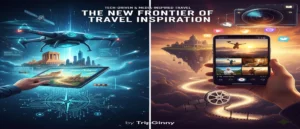
The New Frontier of Travel Inspiration
For centuries, travel was driven by geography — mountains, seas, and maps determined where people went. Then came guidebooks and glossy magazines that directed global wanderlust. Today, however, a new force drives travel decisions: media and technology.
We now live in a world where a movie, a streaming series, or even a viral reel can transform an unknown village into a global travel destination. At the same time, travelers expect digital convenience — smart check-ins, AI-powered concierge apps, immersive experiences, and personalized journeys made possible through data and devices.
Together, these trends are merging into a powerful movement known as Tech-Driven and Media-Inspired Travel — where stories and software guide how, where, and why people explore.
The Rise of “Set-Jetting”: How Screens Shape Journeys
The term “set-jetting” refers to traveling to real-world locations featured in films, TV shows, or streaming content. What began as a niche curiosity has now become a global phenomenon, fueled by digital connectivity and fandom culture.
The emotional connection between media and place is powerful. When audiences fall in love with a story’s landscape, they want to step into that story. The cliffs of Skellig Michael drew Star Wars fans to Ireland. The Hobbiton village in New Zealand became a global pilgrimage for Tolkien lovers. In South Korea, tourism surged after “Crash Landing on You” and “Squid Game.” In India, movies like Dilwale Dulhania Le Jayenge and Zindagi Na Milegi Dobara inspired generations to visit Switzerland and Spain.
Media no longer just promotes destinations — it defines them. Every successful travel campaign today understands this synergy between storytelling and wanderlust.
Why Set-Jetting Works: The Psychology Behind It
When people watch a film or a show, they experience emotions tied to places — joy, nostalgia, curiosity, escape. This emotional geography translates into real-world movement. Viewers don’t just want to see where something was filmed; they want to feel the same emotions the characters felt.
Set-jetting appeals to three deep desires:
- Authentic Connection: Travelers want to inhabit real spaces from their favorite stories.
- Cultural Curiosity: They seek to understand the culture and context behind cinematic worlds.
- Social Validation: Sharing travel inspired by a film or series feels unique and aspirational on social media.
For hospitality businesses, this emotional motivation presents a lucrative opportunity. If destinations, resorts, and travel brands can align with popular narratives — or even create their own — they can attract passionate, loyal, and highly engaged visitors.
Asia’s Cinematic Geography: From Bollywood to K-Dramas
Asia is the beating heart of media-inspired travel. Its booming film industries, breathtaking landscapes, and global cultural influence make it a natural hub for set-jetting.
India: With the world’s largest film output, India has long blurred the line between cinema and tourism. From Kashmir’s snow-capped valleys to Rajasthan’s palaces, Bollywood has immortalized hundreds of locations. “Zindagi Na Milegi Dobara” turned Spain’s La Tomatina festival into a bucket-list dream for Indian travelers, while “Yeh Jawaani Hai Deewani” made Manali and Udaipur icons of youthful adventure.
South Korea: Fueled by the Hallyu wave, K-dramas and K-pop have transformed Seoul, Jeju Island, and Busan into cultural pilgrimage spots. Tourists retrace scenes from Descendants of the Sun, Itaewon Class, and My Love from the Star.
Japan: Anime tourism — visiting real-life locations featured in animation — has become a multibillion-dollar niche. Fans flock to Akihabara, Kyoto, and even remote villages that inspired Studio Ghibli films.
Thailand & Indonesia: Films like The Beach and Eat Pray Love reshaped Thailand’s and Bali’s global images, while newer productions on Netflix are turning lesser-known areas like Chiang Rai and Ubud into “media-born” destinations.
China: Historical dramas and fantasy epics filmed in provinces like Zhejiang and Hunan have spurred domestic tourism, drawing millions to scenic sets replicated as attractions.
Technology Meets Tourism: The Smart Revolution
While media inspires travel, technology transforms how travelers plan, book, and experience their journeys.
From virtual reality previews and augmented reality tours to AI-powered recommendations and smart hotel rooms, the hospitality industry is undergoing a digital revolution. Travelers today are not only inspired by screens — they live through them.
Digital Discovery: From Algorithms to Adventure
Search engines, streaming services, and social platforms influence nearly every stage of the travel journey. AI algorithms on YouTube or Netflix shape what stories we consume, which in turn shapes where we want to go. On Instagram and TikTok, short-form travel content can turn an obscure destination viral overnight.
Smart travel platforms like Google Travel, Hopper, and Expedia’s AI-driven tools now predict price fluctuations, suggest custom itineraries, and even create trip summaries based on user interests. Travelers are guided not by brochures but by data-driven storytelling.
For travel businesses, mastering digital visibility — particularly in Google Discover and social feeds — has become the new art of marketing.
Virtual Reality and Augmented Reality: The Immersive Shift
One of the most exciting frontiers in travel technology is immersion. Virtual reality (VR) and augmented reality (AR) are allowing travelers to “experience” destinations long before they arrive — and to enhance their experience once they do.
- Virtual Reality: Museums, hotels, and travel boards use VR to create previews of attractions. A guest can virtually walk through a resort or explore a temple complex before booking.
- Augmented Reality: AR adds digital layers to real spaces. A tourist exploring Angkor Wat could use an AR app to see historical reconstructions, read legends, or view 3D timelines.
- Mixed Reality Tours: Combining physical exploration with digital storytelling enhances engagement and education.
This fusion of physical and virtual creates memorable, shareable experiences — perfect for tech-savvy millennials and Gen Z travelers.
Smart Hotels: Where Technology Personalizes Hospitality
Hospitality technology has evolved far beyond Wi-Fi and flat-screen TVs. Modern travelers expect smart functionality at every touchpoint — from booking to checkout.
Smart hotels are now equipped with:
- Voice-activated assistants for room control and concierge services.
- Mobile check-ins and digital keys, reducing queues and paper waste.
- AI-driven personalization, adjusting lighting, temperature, and entertainment based on guest profiles.
- IoT integration, connecting devices seamlessly for convenience.
- Automated sustainability systems, minimizing energy use and managing waste.
Properties like Singapore’s YOTEL and Japan’s Henn-na Hotel have pioneered this shift, blending futuristic design with human warmth. For independent hotels across Asia, adopting scalable digital tools — from chatbots to smart locks — offers both efficiency and appeal to modern guests.
Story-Based Marketing: Turning Fiction into Footfall
For tourism boards and travel brands, media-inspired marketing is now a creative goldmine. Rather than generic promotions, they can craft campaigns that connect destinations with stories people already love.
Examples include:
- New Zealand: Marketed itself as “Middle Earth” after the Lord of the Rings films, creating entire themed itineraries.
- South Korea: Built “K-Drama Experience Tours,” allowing fans to visit filming locations and participate in themed experiences.
- Japan: Created official anime pilgrimages supported by local councils.
- Thailand: Used The Beach and Lost in Thailand to promote islands and northern provinces respectively.
This marketing approach — story-based tourism — resonates deeply with emotion-driven travelers. It moves beyond selling a place to offering participation in a narrative.
Integrating Tech and Storytelling: The Business Opportunity
The future of hospitality lies at the intersection of story and software. A travel brand that combines cultural narrative with digital innovation captures both the heart and the mind of modern travelers.
Possible integrations include:
- AR-enhanced film tours: Visitors can use mobile apps to overlay film scenes over real-world locations.
- Smart storytelling kiosks: Hotels near famous filming sites can let guests watch behind-the-scenes videos.
- AI travel companions: Digital assistants can narrate local myths or cinematic trivia as guests explore.
- NFT-based memorabilia: Digital collectibles from iconic travel locations could become part of tourism branding.
Such innovations turn simple sightseeing into interactive storytelling, giving travelers a richer and more connected sense of place.
The Asia Advantage
Asia stands to gain the most from tech-driven and media-inspired travel. Its diverse landscapes, thriving entertainment industries, and young, tech-forward population create the perfect ecosystem.
The continent’s hospitality sector is also more flexible — family-run hotels and boutique resorts can experiment quickly with digital storytelling, online content, and AR-based experiences. With lower development costs and high smartphone penetration, Asian destinations can leapfrog into the future of tourism innovation.
The Economics of Tech-Enhanced Travel
The global “set-jetting” and media-inspired tourism market is estimated to be worth over $150 billion by 2030, with Asia-Pacific leading growth. Meanwhile, travel technology solutions — from smart hotels to AR guides — are projected to exceed $500 billion in market value within the same decade.
For hotel operators, this means enormous opportunity: adopting technology doesn’t just enhance guest experience, it directly increases revenue through upselling, personalized marketing, and operational efficiency.
Challenges and Cautions
However, this transformation isn’t without challenges.
- Overtourism: Viral media exposure can overwhelm fragile ecosystems and small communities.
- Cultural dilution: Excessive commercialization of filming sites may erode authenticity.
- Data security: As hotels digitize guest services, they must also secure privacy and compliance.
- Accessibility gap: Smaller operators risk being left behind if they lack digital literacy or infrastructure.
Responsible storytelling and ethical tech adoption are key to ensuring that media-inspired tourism enhances rather than exploits destinations.
Sustainability in the Tech Era
Technology should amplify sustainability, not undermine it. Smart systems can help reduce waste and resource use. VR can reduce unnecessary site visits to vulnerable ecosystems. Digital interpretation can preserve heritage without physical intrusion.
For destinations built around film or media fame, local authorities must create balanced management strategies — dispersing visitors, regulating filming permissions, and ensuring community benefit.
The Future: From Watching to Living Stories
The next decade will blur the line between viewer and traveler even further. As mixed reality matures, travelers will be able to “walk into” cinematic universes. Destinations will become living sets, blending digital fantasy with physical reality.
Hotels may offer story-themed rooms linked to famous series, with AR layers that animate décor. Theme parks and cultural centers will merge film, history, and holographic experiences. Travelers will no longer simply visit places — they’ll inhabit stories.
How Travel Businesses Can Tap Into the Trend
- Partner with film producers: Offer unique locations or accommodation deals during shoots to ensure long-term visibility.
- Develop digital storytelling strategies: Create VR previews, AR trails, and cinematic social media content.
- Embrace personalization: Use AI-driven analytics to recommend experiences based on user interests (e.g., “K-drama cafés” or “Bollywood trails”).
- Upgrade technology infrastructure: Invest in digital booking, guest apps, and IoT systems for seamless service.
- Focus on ethical media tourism: Promote sustainable travel codes and local community engagement.
When hospitality merges creativity with technology, it becomes more than a service — it becomes an experience worth sharing.
Conclusion: The Convergence of Story and System
“Tech-Driven and Media-Inspired Travel” is more than a passing trend — it is the next evolution of global tourism. It reflects the way humans now live: constantly connected, story-oriented, and digitally empowered.
Travelers are no longer passive consumers. They are explorers of imagination — moving between pixels and places, seeking both wonder and convenience.
For the modern travel or hospitality business, success will depend on mastering both sides of this equation — emotion and innovation. By embracing storytelling through media and technology, destinations can transform into stages of experience, hotels into storytellers, and every journey into a living narrative.
In the end, the future of travel belongs to those who can bridge the real and the virtual, the cinematic and the cultural — creating journeys that move the traveler not just across distance, but across imagination itself.